
"Code is like humor. When you have to explain it, it’s bad." – Cory House
Writing code is not just about making it work — it’s about making it understandable, maintainable, and responsible. Many beginners obsess over “perfect” code, spending hours on negligible style details or over-engineering solutions. In reality, clean code is about clarity and accountability, ensuring that your future self and your teammates can read, modify, and extend your work without confusion or frustration. In this article, we explore why clean code is a professional responsibility and how it fosters reliable, sustainable development.
1. Clarity Over Cleverness
Elegant, concise, and readable code matters more than clever tricks. While shortcuts or complex one-liners might “work,” they often confuse colleagues or even yourself a few months later. Studies in software maintainability emphasize that code readability is the strongest predictor of long-term success and lower bug rates (Fowler, Refactoring, 2018).
2. Consistency Creates Confidence
Consistent naming, structure, and formatting reduce cognitive load for anyone reading your code. Teams that adopt style guides, linting rules, and consistent conventions report fewer misunderstandings, faster onboarding, and smoother collaboration (Martin, Clean Code, 2008). Clean code signals that the developer respects the team and the system.
3. Responsibility Includes Documentation and Comments
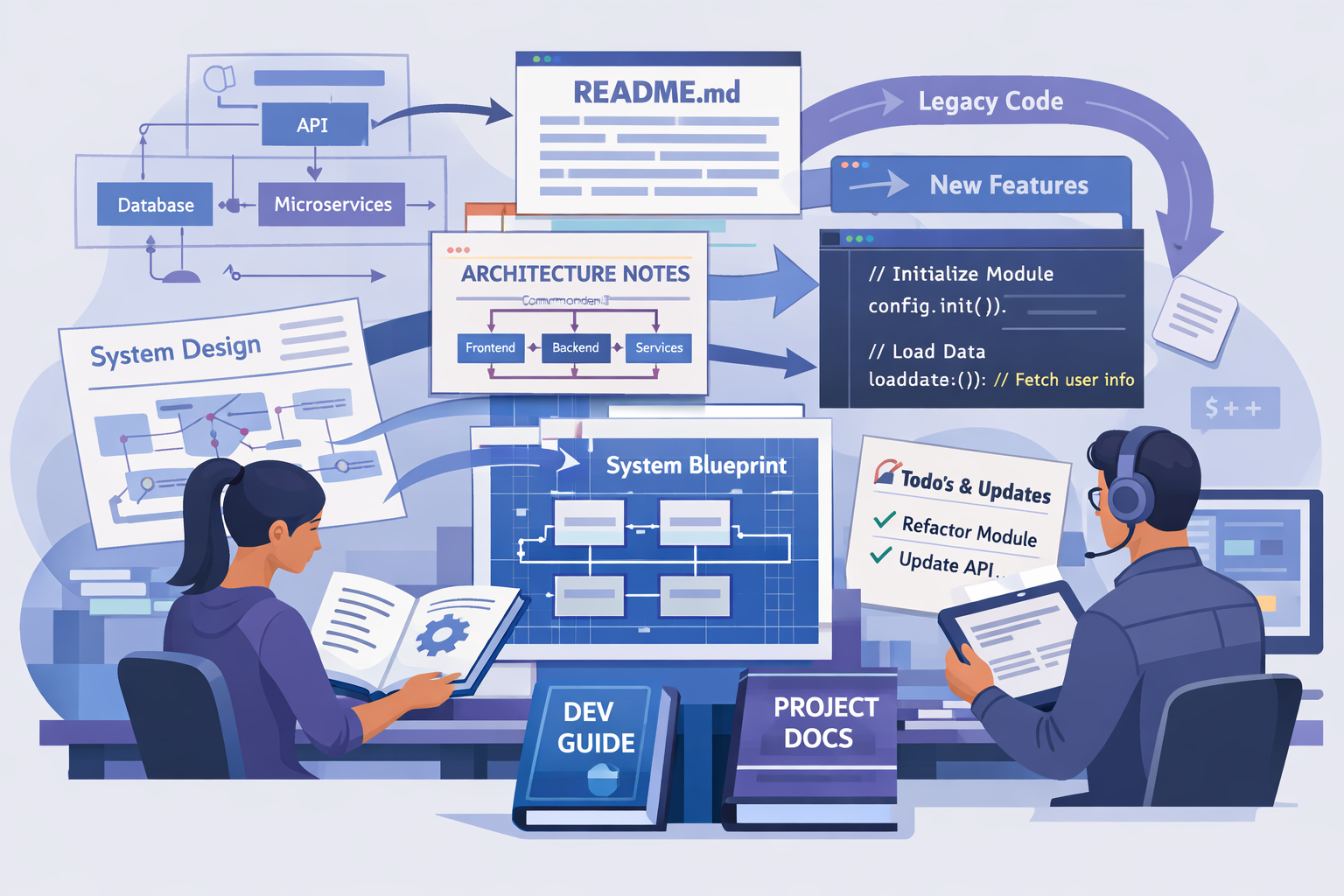
While clean code should mostly speak for itself, clear comments, concise README files, and usage notes are part of the responsibility. They ensure that intentions, edge cases, and assumptions are communicated, reducing mistakes when code is reused or maintained. Documentation is not optional; it is part of professional coding practice (McConnell, Code Complete, 2004).
4. Avoiding Technical Debt
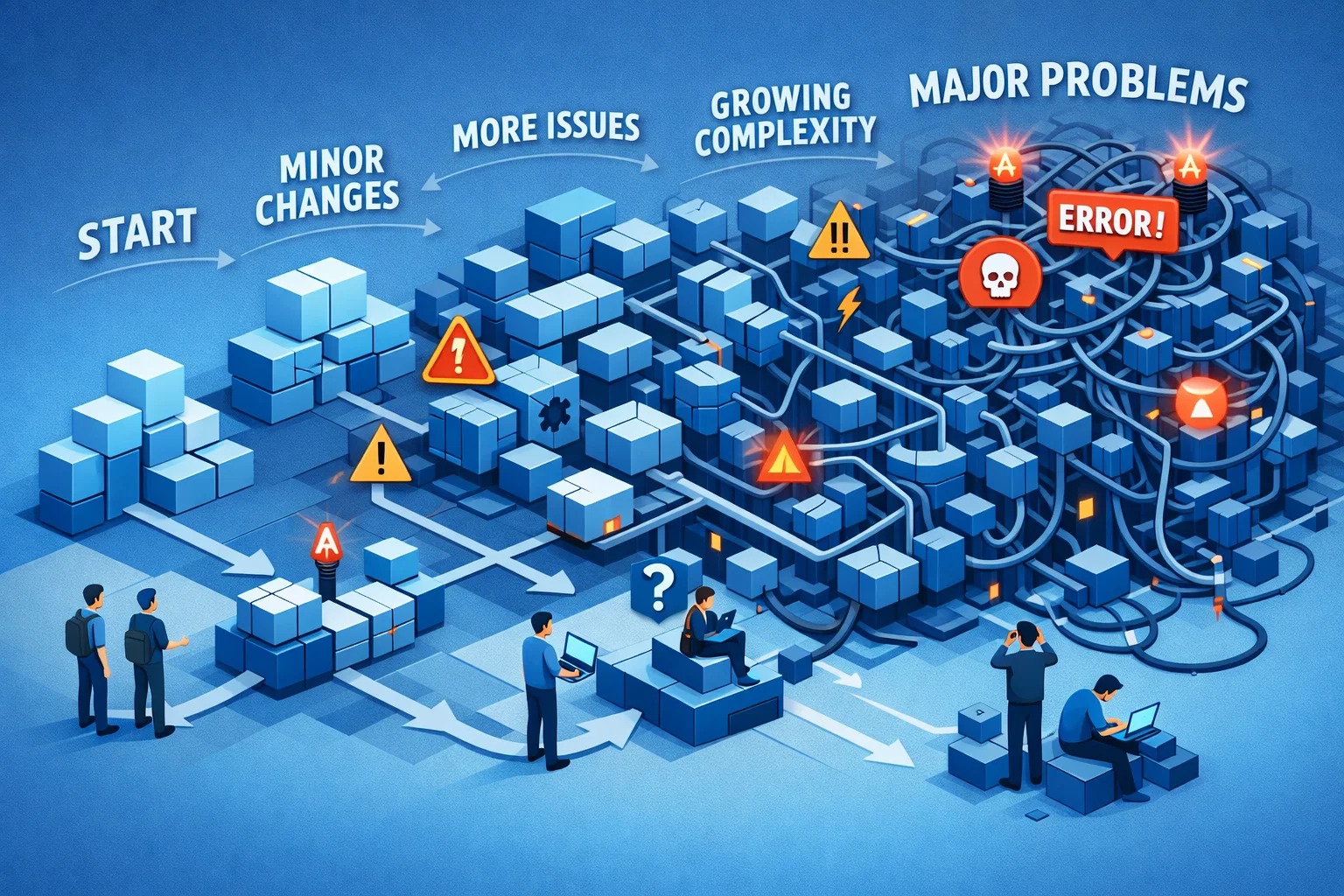
Messy or hurried code accumulates technical debt — a cost that grows silently until it slows or breaks development. Writing clean code may take slightly longer upfront, but it prevents larger, more stressful rewrites later, saving teams time, money, and morale.
Conclusion
Clean code is less about perfection and more about professional responsibility. By prioritizing clarity, consistency, documentation, and debt prevention, developers create systems that are resilient, maintainable, and scalable. Responsibility in coding is the hallmark of a seasoned professional.
Next Article (16): Why Naming Things Correctly Matters in Code.
Because naming things badly is like labeling your spice jars with numbers… eventually you’ll be sprinkling salt on your sugar 😅