
“Learning to write programs stretches your mind, and helps you think better.” – Bill Gates
Many beginners assume that learning to code is the same as being able to build real-world websites or applications. However, coding alone is just one part of web development. While programming teaches syntax, logic, and problem-solving, building for the web requires understanding architecture, user needs, performance, and maintainability. In this article, we examine the critical differences between learning to code and applying those skills to construct functional, user-focused web applications that work reliably in the real world.
To begin with, coding teaches syntax and logic, not context. Learning programming languages like JavaScript, Python, or PHP develops your ability to write instructions that computers can execute. However, without understanding the context in which your code operates—such as the web, servers, or user interactions—it remains isolated knowledge. Research from the ACM Education Board emphasizes that students who focus solely on coding often struggle to solve real-world problems because they lack a systems perspective.
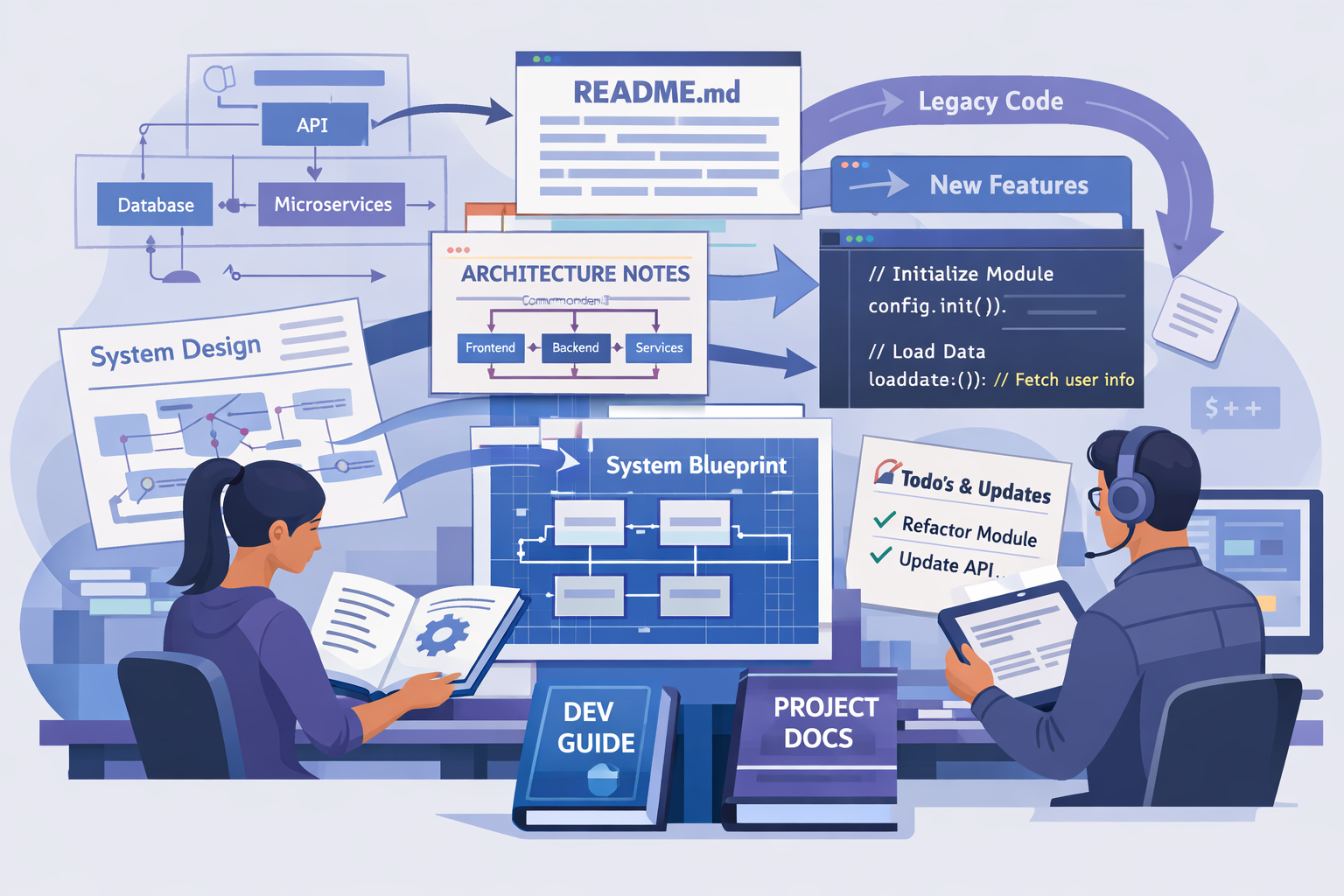
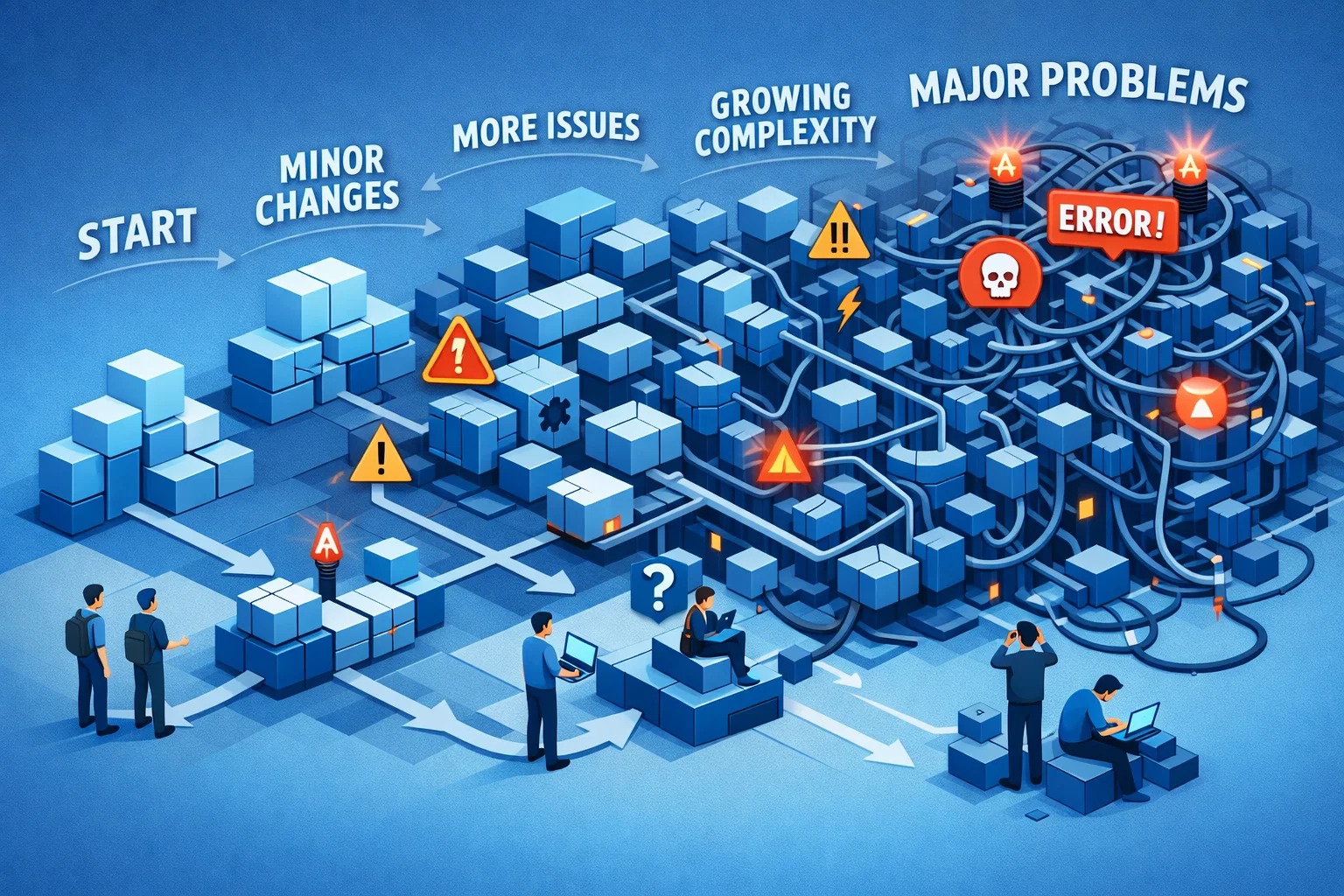
Moreover, building for the web requires systems thinking. Unlike standalone scripts or exercises, websites and applications consist of multiple interconnected layers: front-end interfaces, back-end logic, databases, APIs, and network interactions. Developers must anticipate how each component affects the others. Ignoring this complexity can lead to technical debt, security vulnerabilities, and performance issues. Web development is therefore as much about architecture and planning as it is about writing code.
Equally important, real-world web development focuses on users, not just code. Programming exercises often have clear, predefined goals, whereas web applications must meet the needs of diverse users with varying abilities and expectations. Research by the Nielsen Norman Group consistently shows that projects fail when usability is neglected, even if the code is flawless. Integrating design thinking, accessibility, and user experience principles ensures that your work is not only technically correct but genuinely useful.
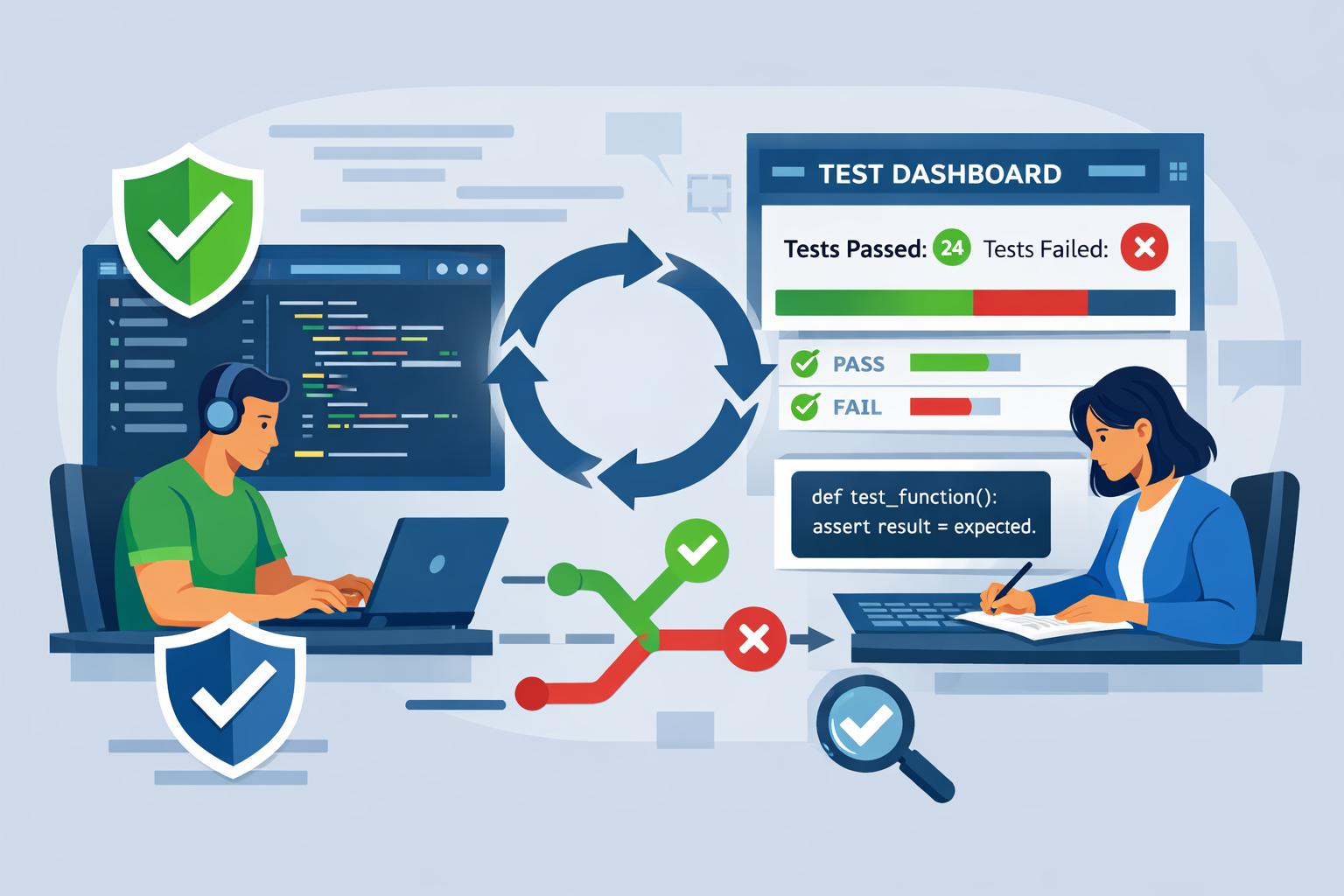
Furthermore, collaboration and professional practices distinguish coding from real development. Learning in isolation teaches individual problem-solving, but most professional projects involve teams, version control, code reviews, testing pipelines, and deployment strategies. Developers must communicate, coordinate, and maintain shared systems to ensure reliability and scalability. Embracing these practices is what transforms a coder into a web developer capable of shipping maintainable products.
Ultimately, the difference lies in applying skills to create meaningful, functional systems. Learning to code builds mental agility and foundational knowledge, while building for the web combines coding with systems thinking, usability, collaboration, and professional practices. Aspiring developers should view programming as the first step and focus on real-world application to bridge the gap from exercises to impactful, user-centered solutions. Reflect on how your code fits into the broader ecosystem, and aim to create web experiences that are both technically sound and human-focused.