“Quality is never an accident; it is always the result of intelligent effort.” – John Ruskin
Poorly built websites are often judged only by how they look or whether they load at all. However, the real cost of low-quality web development goes far deeper than visual imperfections. Behind slow pages, broken features, and confusing layouts lie hidden consequences that affect users, businesses, and developers alike. From lost trust and revenue to long-term maintenance challenges, the impact of poor construction accumulates quietly over time. In this article, we explore the unseen costs of poorly built websites and why investing in quality from the start is essential for sustainable digital success.
To begin with, poor usability directly affects user trust and engagement. When users encounter broken links, confusing navigation, or slow load times, they are far more likely to abandon a website altogether. Google’s Web Performance research shows that even a one-second delay in page load time can significantly reduce conversions and user satisfaction. While these issues may appear minor individually, together they create friction that discourages users from returning. A poorly built website does not just frustrate users—it communicates unreliability and a lack of professionalism.
In addition, performance and technical inefficiencies increase operational costs over time. Websites developed without proper structure, optimization, or scalability often require excessive server resources and frequent fixes. As traffic grows, these weaknesses become more expensive to manage, forcing organizations to spend more on hosting upgrades, emergency bug fixes, or complete rebuilds. What initially seems like a cost-saving shortcut often results in far greater expenses later.
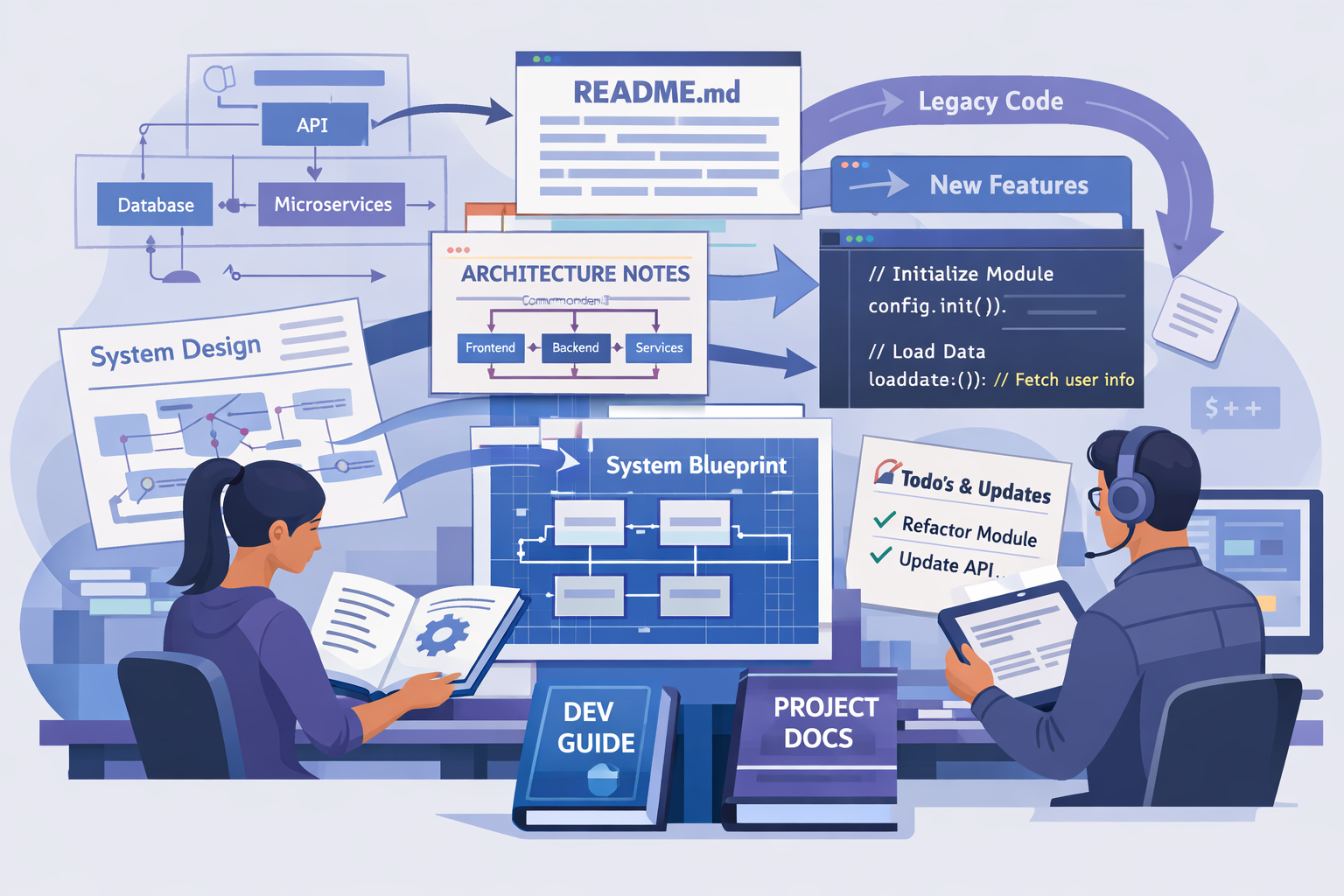
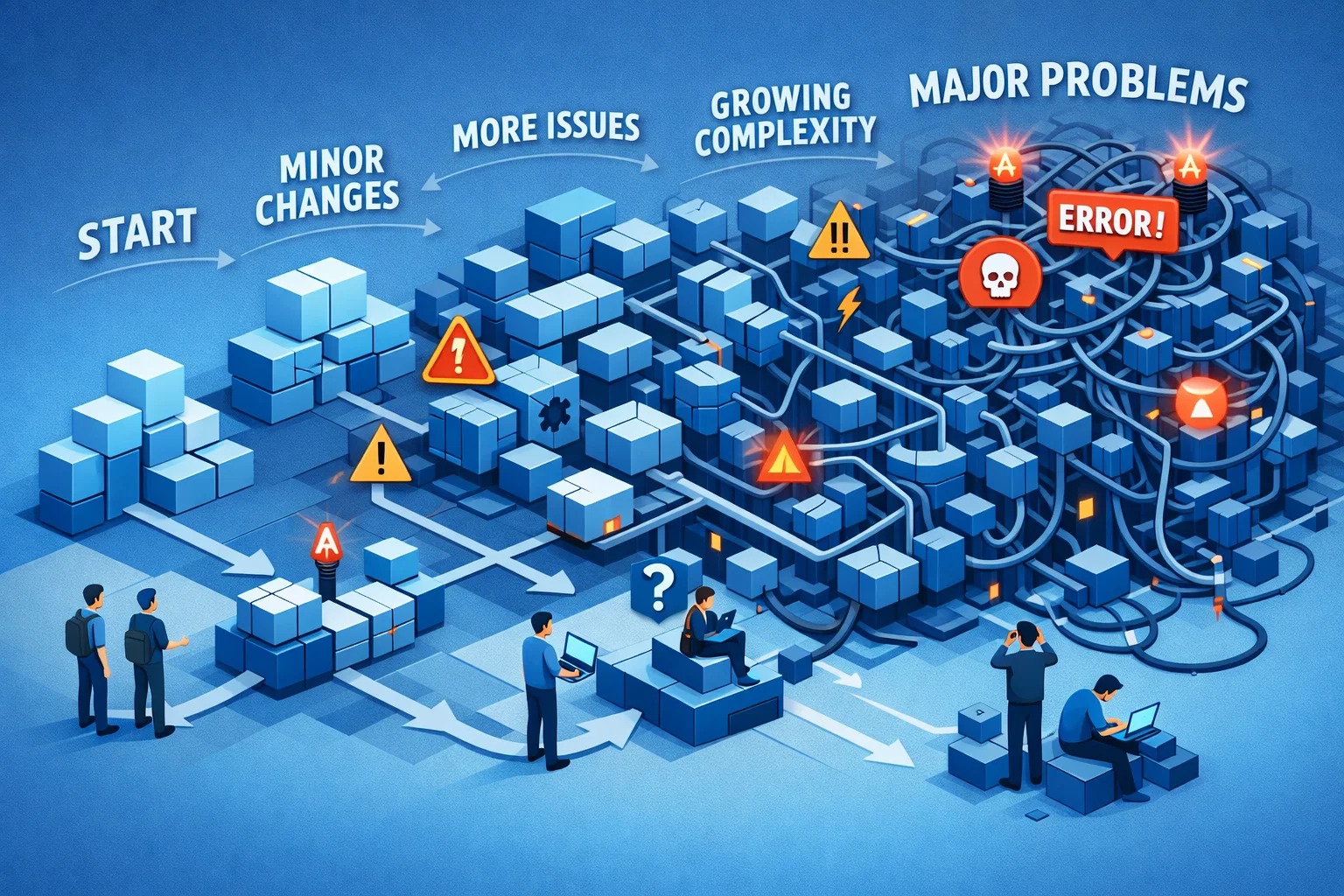
At the same time, poor code quality leads to long-term maintenance challenges. Websites built without clear architecture, documentation, or consistent standards are difficult to understand and extend. According to software engineering research highlighted by IEEE, technical debt caused by rushed or poorly structured code significantly slows future development and increases the likelihood of defects. Over time, this makes even small updates risky, expensive, and time-consuming.
Equally concerning, poorly built websites introduce serious security risks. Weak validation, outdated dependencies, and poorly implemented authentication systems leave applications vulnerable to common attacks. Industry reports consistently show that many security breaches stem from basic development flaws rather than advanced hacking techniques. Beyond financial loss, such incidents damage brand reputation and erode user confidence—often permanently.
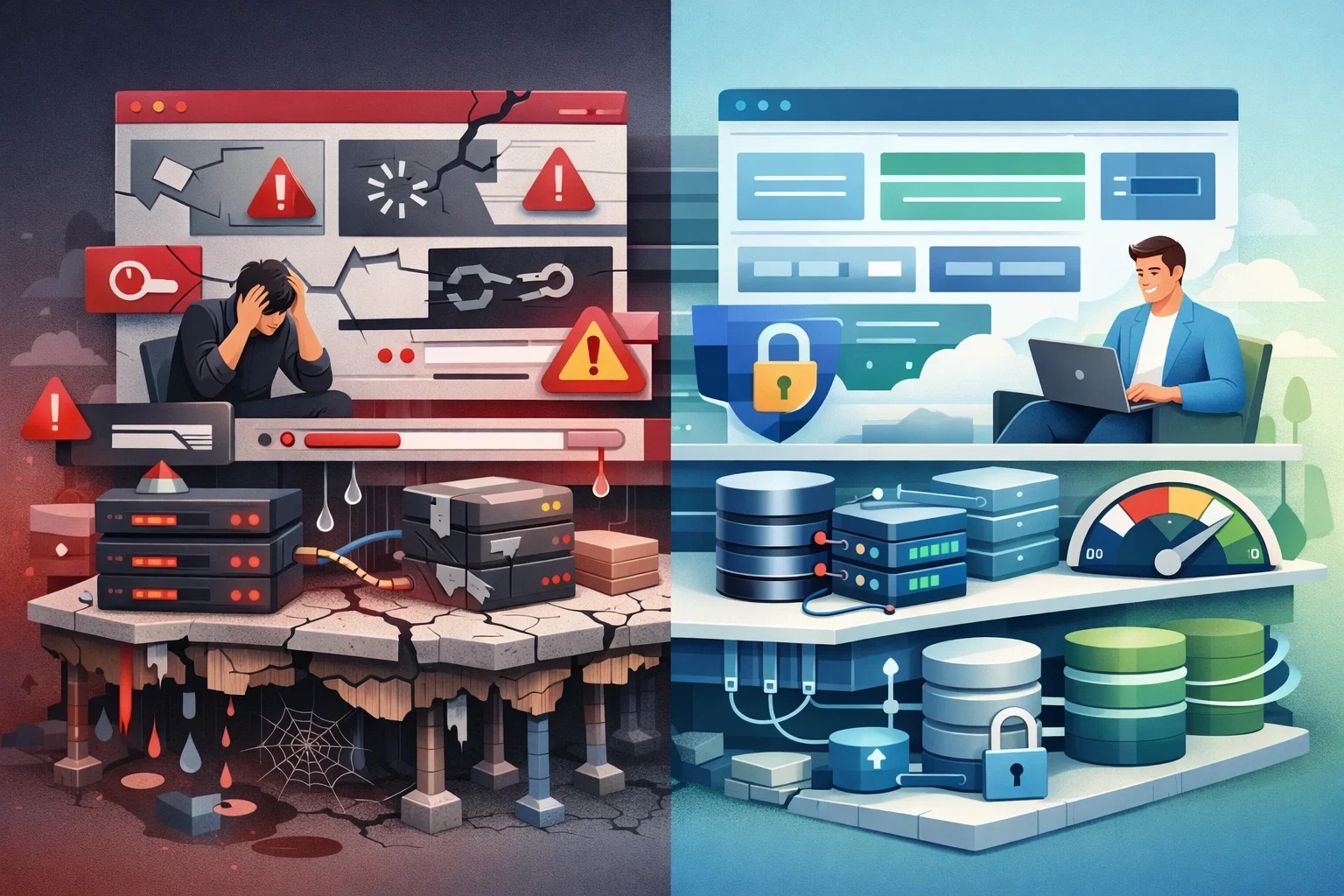
Ultimately, the hidden cost of poorly built websites is paid through lost users, wasted resources, security exposure, and missed growth opportunities. Quality web development is not accidental; it is the result of intentional planning, solid architecture, and disciplined execution. By prioritizing usability, performance, maintainability, and security from the outset, developers and organizations can build digital products that remain reliable, scalable, and valuable over time.