“Technology is best when it brings people together.” – Matt Mullenweg
Web developers play a central role in shaping how people interact with digital technology. In today’s world, websites and applications are not just functional tools—they are gateways for communication, commerce, and creativity. As Tim Berners-Lee emphasizes, “The Web does not just connect machines, it connects people.” Developers are the architects of these digital experiences, ensuring that systems are reliable, engaging, and accessible for diverse audiences. Their work affects businesses, communities, and individuals alike, making web development a crucial profession in the modern digital landscape.
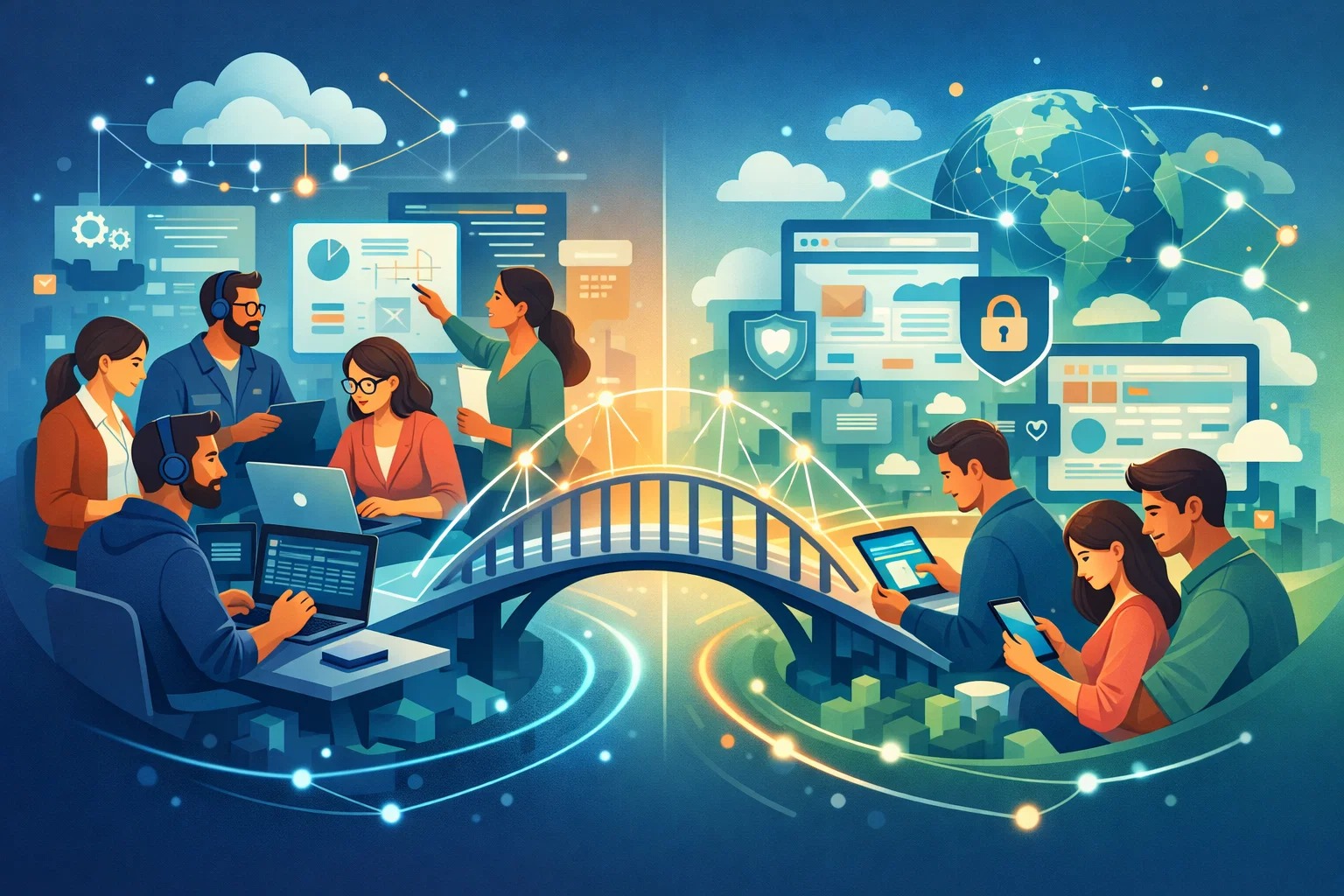
Primarily, web developers bridge technology and human needs. Beyond writing code, developers must understand user behavior, accessibility standards, and inclusive design principles. Research from the Nielsen Norman Group highlights that poor usability leads to frustration, decreased engagement, and lost opportunities. Developers who integrate human-centered design principles ensure that digital products are not only functional but intuitive, usable, and satisfying for users across all devices and contexts.
Furthermore, developers drive innovation through collaboration and continuous learning. Modern web projects often involve interdisciplinary teams, including designers, product managers, and quality assurance specialists. According to a study by McKinsey & Company (2023), collaborative teams that combine technical and design expertise deliver products faster and with higher user satisfaction. Developers must adapt to emerging technologies, frameworks, and methodologies, embracing lifelong learning to remain effective in this rapidly evolving field.
Equally, web developers safeguard performance, security, and scalability. Applications today handle sensitive data, high traffic, and complex interactions. Developers apply principles of software architecture, testing, and cybersecurity to ensure reliability. As highlighted by the World Wide Web Consortium (W3C), adopting secure coding practices and structured development processes is essential to prevent data breaches and system failures. Their decisions have a direct impact on user trust and organizational reputation.
Moreover, developers contribute to social and global impact. Websites and applications are increasingly used for education, healthcare, social activism, and connecting communities worldwide. By building inclusive and accessible platforms, developers empower individuals and organizations to participate fully in digital society. Research by the International Telecommunication Union (ITU) shows that accessible web solutions expand opportunities for people with disabilities and underserved populations.
In summary, web developers are the linchpins of the modern digital world. They connect technology with human needs, foster collaboration and innovation, maintain performance and security, and enable social impact. As the digital landscape grows more complex, their role becomes not only technical but profoundly human-centered. Aspiring developers should embrace both technical mastery and empathy, remembering that every line of code contributes to shaping the digital experiences of millions.