“Programs must be written for people to read, and only incidentally for machines to execute.” – Harold Abelson
Web development is often misunderstood as merely writing code to make a website function. In reality, it is a discipline that blends problem-solving, systems thinking, creativity, and communication. As Steve Jobs famously said, “Design is not just what it looks like and feels like. Design is how it works”—emphasizing that web development is about creating systems that work for people, not just computers. Behind every website or application lies a carefully planned system of logic, design, and user interaction that must function seamlessly for real users. Recognizing web development beyond coding is essential because it shapes how digital products are designed, built, maintained, and experienced. In this article, we will explore why web development goes beyond coding, why thinking in systems and solving real problems is crucial, and how creativity and communication are equally important to delivering meaningful digital experiences.
To begin with, solving real-world problems is the heart of web development. Every website or application exists to serve a purpose—whether delivering information, enabling transactions, or connecting communities. Research from the Nielsen Norman Group shows that poor usability costs companies billions annually in lost revenue and productivity. Writing code without understanding the problem it addresses often results in features that function but do not add value. Developers who focus on problem-solving ensure that each component contributes meaningfully to the overall goal, making the final product purposeful and effective.
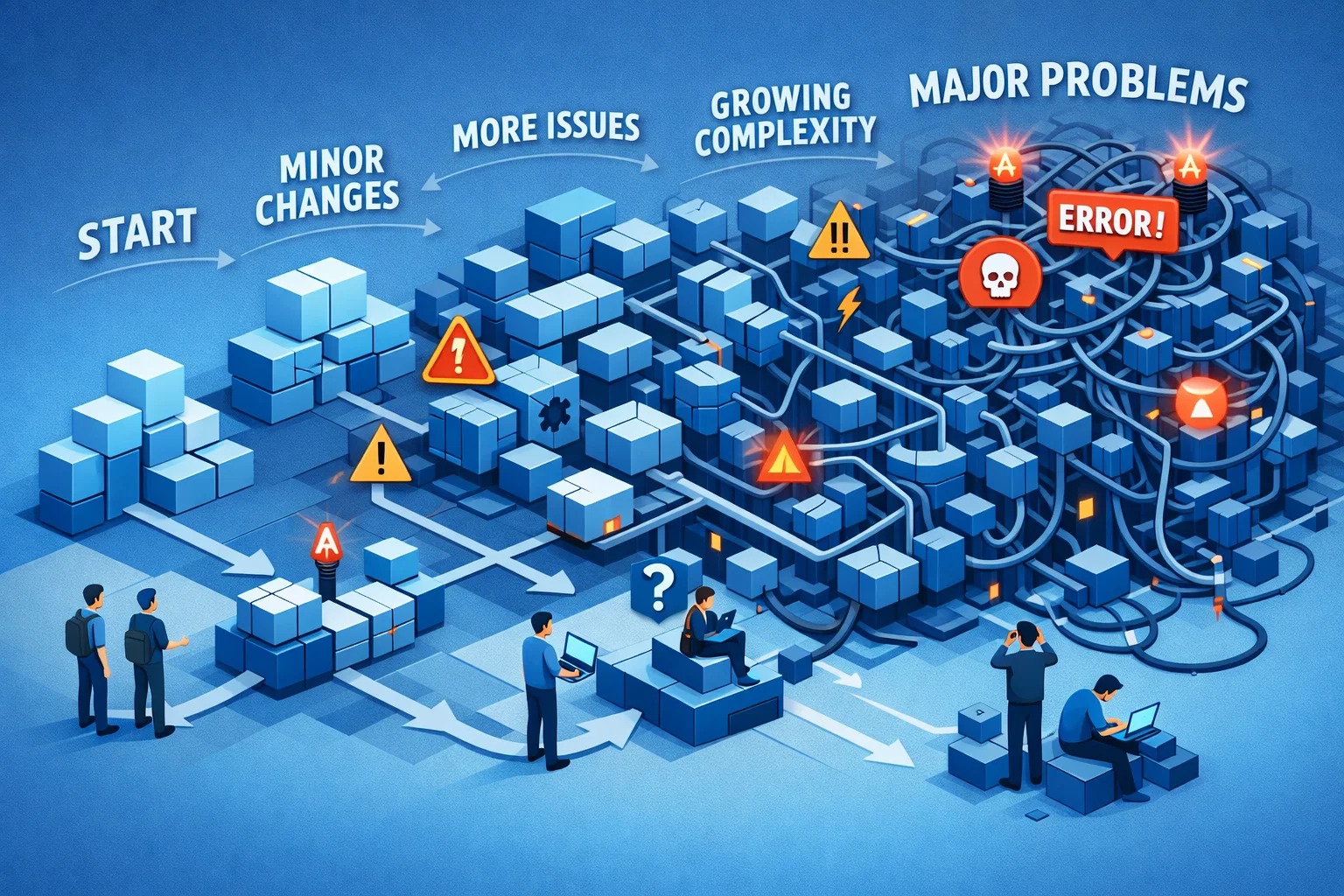
Moreover, thinking in systems is critical for creating reliable websites. A website is not merely a collection of pages or scripts; it is an interconnected ecosystem where design, backend logic, user interactions, and data all influence one another. Ignoring this interdependence can result in inefficiencies, technical debt, and maintainability challenges. Developers who adopt a systems perspective can structure projects with foresight, anticipate potential pitfalls, and build scalable solutions that stand the test of time.
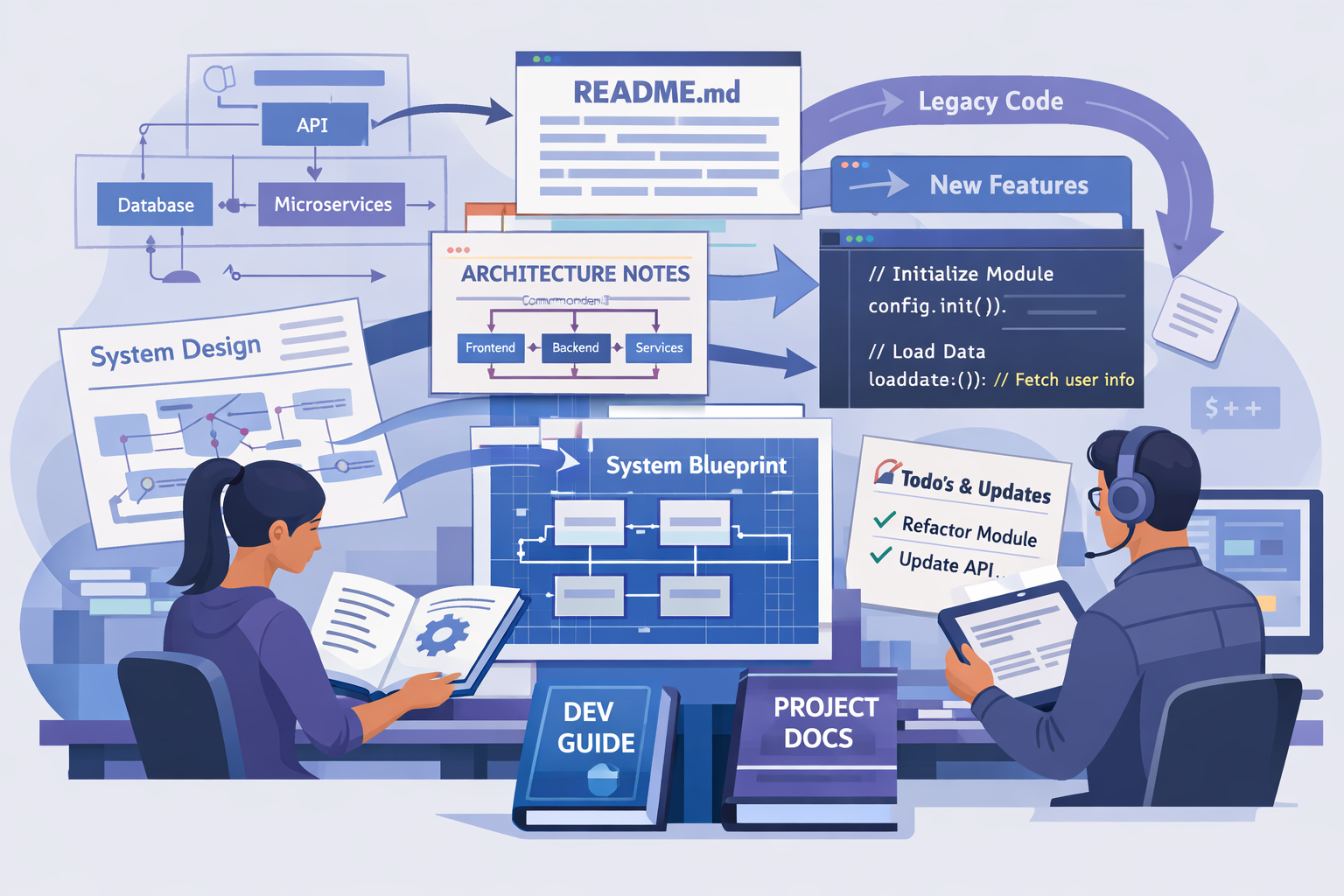
Equally important, web development is a form of communication. Every line of code, interface element, and interaction communicates intent—to users, clients, and team members alike. Clear coding practices, well-organized documentation, and thoughtful design transform complex systems into experiences that are intuitive and understandable. As Martin Fowler notes, “Any fool can write code that a computer can understand. Good programmers write code that humans can understand.” Recognizing development as communication improves collaboration and ensures that the final product resonates with its audience.
Notably, balancing logic and creativity produces exceptional digital products. Beyond algorithms and frameworks, successful websites combine usability, aesthetics, and interactive experiences. Developers must ensure technical correctness while crafting interfaces that are intuitive and engaging. This combination of art and science enables the creation of digital products that are functional, elegant, and human-centered.
In conclusion, web development is far more than writing code—it integrates problem-solving, systems thinking, communication, and creativity. Each project is an opportunity to deliver meaningful solutions that work for real people. Reflect on the bigger picture as you code, design, and build, and aim to create value in every project.