
“Systems thinking is a discipline for seeing wholes.” – Peter Senge
Websites are often mistaken for single pages or collections of pages, but in reality, each website is a living, interconnected system. Thinking of it as a system rather than isolated pages allows developers, designers, and businesses to create experiences that are consistent, scalable, and meaningful. As Don Norman emphasizes, “Design is really an act of communication, which means having a deep understanding of the person with whom the designer is communicating.” Websites involve users, data, design, and backend processes all working together; ignoring this interconnectedness can make even visually stunning sites fail under real-world conditions. In this article, we explore why viewing a website as a system is essential, how system thinking enhances reliability and user experience, and why understanding the whole ecosystem is crucial for professional web development.
To start with, a website’s front-end and back-end are just two pieces of a larger puzzle. While HTML, CSS, and JavaScript create visible interfaces, they depend on databases, APIs, server logic, and integrations to function seamlessly. Research by the Nielsen Norman Group highlights that poorly integrated systems lead to inconsistent performance, user frustration, and even abandonment. Developers who design with the whole system in mind ensure that every component—from data flow to interface elements—works harmoniously.
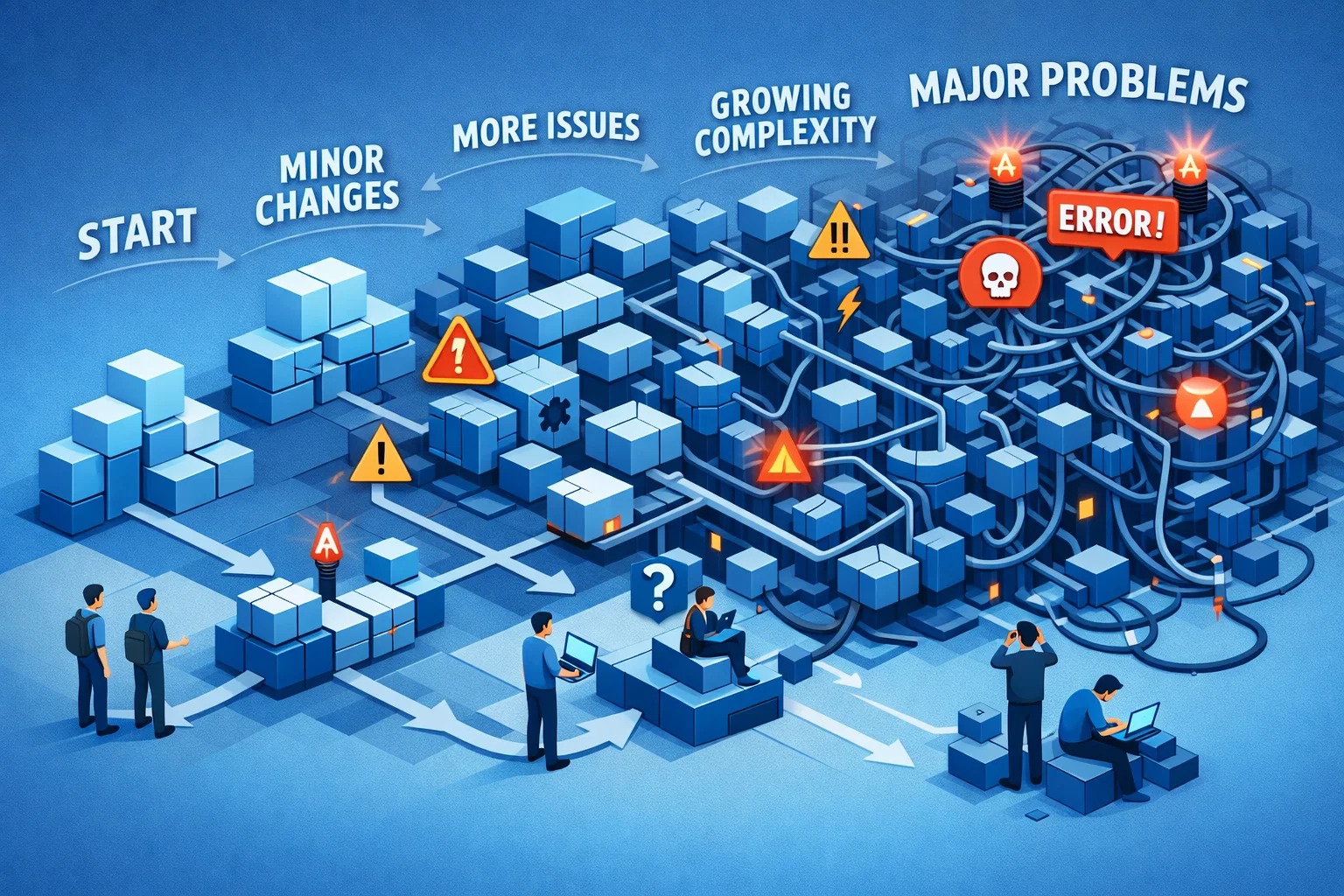
Furthermore, performance and scalability are the silent pillars of system thinking. A single page may load fine under minimal traffic, but real-world usage exposes bottlenecks, server strain, and database conflicts. According to a study by Google Developers, users expect pages to load in under three seconds, and slow systems reduce engagement and conversions dramatically. Developers who anticipate system-level constraints can optimize code, caching, and server architecture to deliver responsive and reliable experiences.
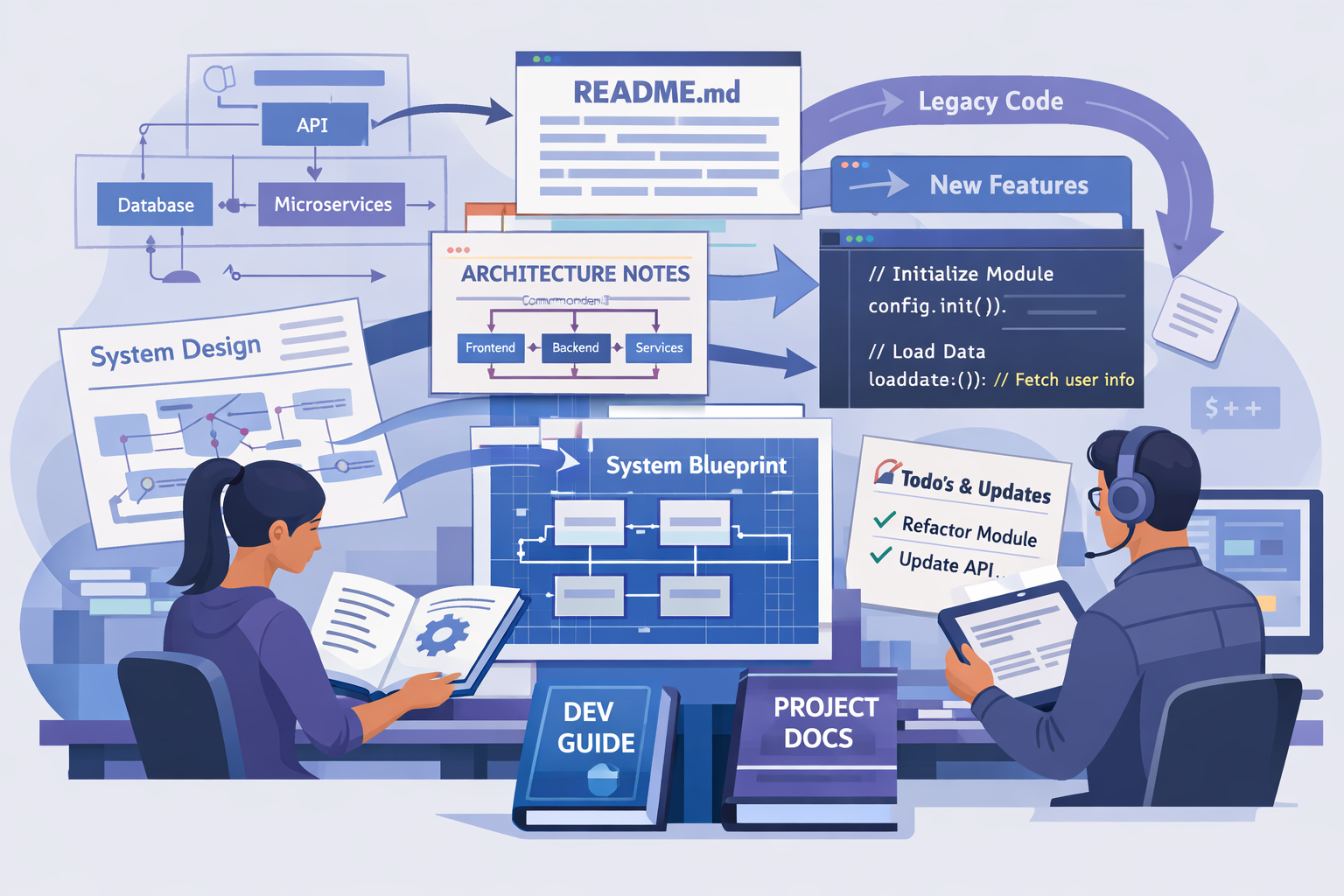
Equally important, system thinking improves collaboration and maintainability. Websites are rarely built by a single person; teams of developers, designers, product managers, and content creators all interact within the system. Clear structures, modular code, and shared documentation reduce confusion and prevent errors. As Martin Fowler notes, “Any fool can write code that a computer can understand. Good programmers write code that humans can understand.” Thinking in systems ensures the team can build, maintain, and scale without breaking the flow or user experience.
Moreover, treating a website as a system elevates user experience from an afterthought to a central design principle. Navigation, accessibility, responsiveness, and consistency across devices all benefit from a system perspective. A site that functions as a cohesive ecosystem ensures users can intuitively interact with content, complete tasks efficiently, and trust the platform. Research from the Interaction Design Foundation confirms that system-oriented design increases satisfaction, retention, and conversion.
In conclusion, seeing a website as a system rather than a collection of pages transforms development, collaboration, and user experience. By understanding how front-end, back-end, and user interactions are interconnected, developers can deliver products that are reliable, maintainable, and delightful.
Next, we will dive deeper into how design, code, and user experience intersect to create websites that don’t just work—they communicate, engage, and inspire.