“Without a process, even genius is chaotic.” – Unknown
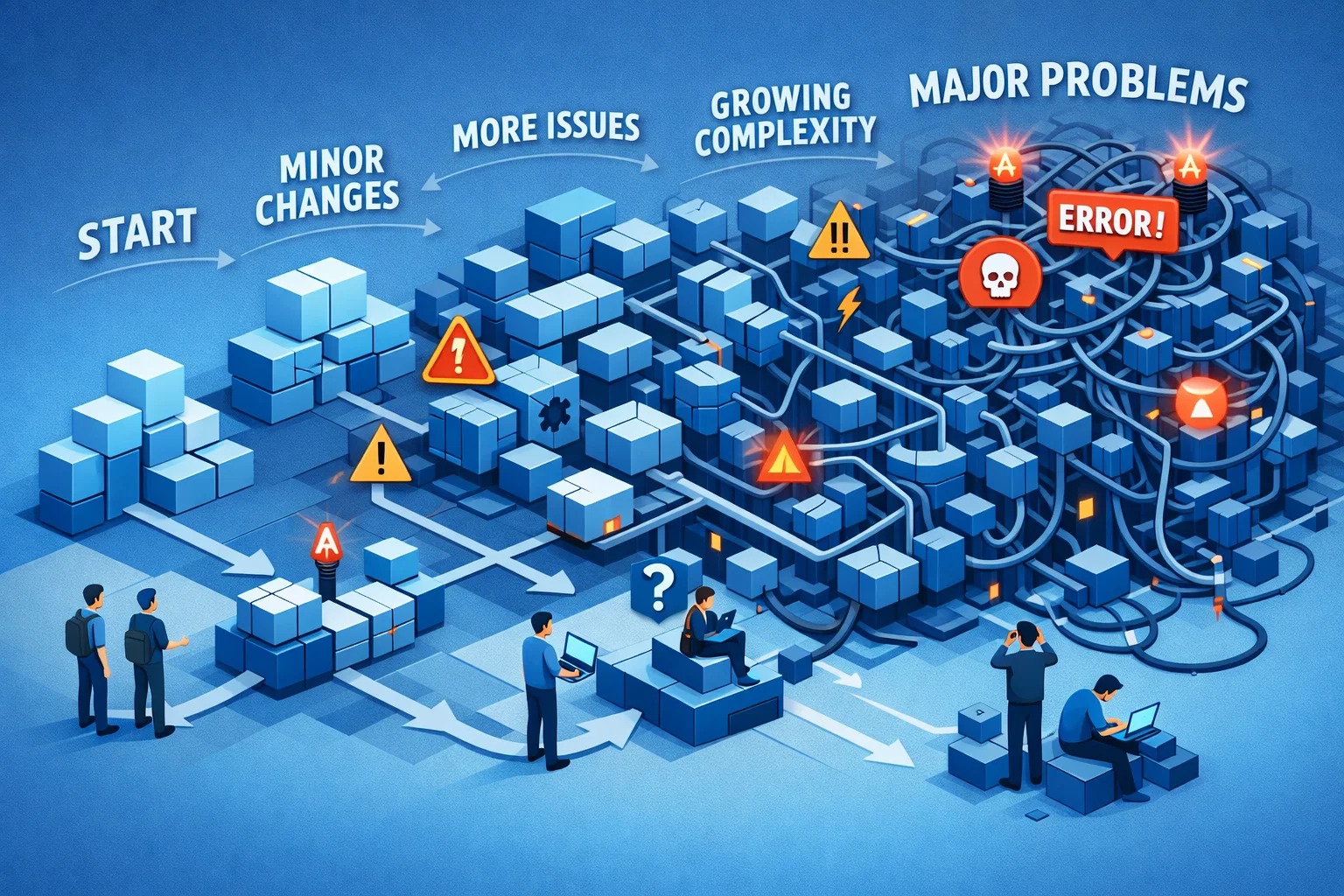
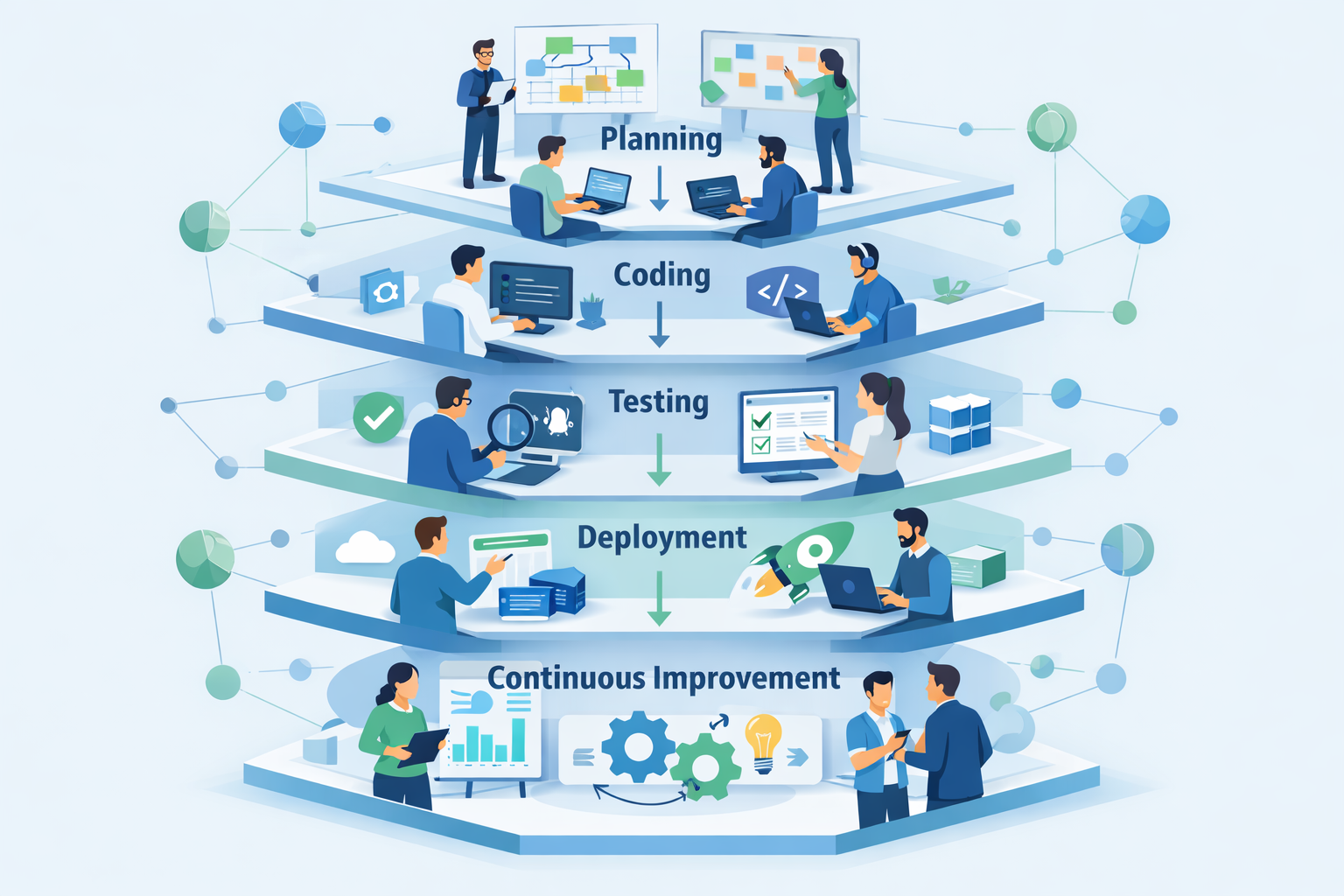
Web development is more than writing code; it is a disciplined practice that transforms ideas into reliable, maintainable, and user-centered digital products. While creativity and technical skills are vital, without a structured process, projects can become chaotic, inefficient, and prone to errors. A clear process guides planning, development, testing, and deployment, ensuring teams deliver high-quality software that meets user needs. In this article, we explore why process is essential, how structured workflows enhance efficiency, and how disciplined practices reduce risk in web development projects.
To begin with, process provides clarity and direction. Web development involves multiple layers—front-end interfaces, back-end logic, databases, APIs, and integrations. According to research from the Project Management Institute, projects with defined workflows are 28% more likely to meet deadlines and requirements. Developers who follow structured steps avoid unnecessary rework, better manage complexity, and ensure each feature aligns with the overall objectives.
Moreover, a defined process enhances collaboration. Modern web projects are rarely solo endeavors; they involve designers, developers, QA engineers, product managers, and stakeholders. Using methodologies like Agile, Scrum, or Kanban allows teams to coordinate effectively, track progress, and adapt to changes. As Jeff Sutherland, co-creator of Scrum, notes, “Agile processes harness the creativity of the team while providing a framework for predictability and quality.”
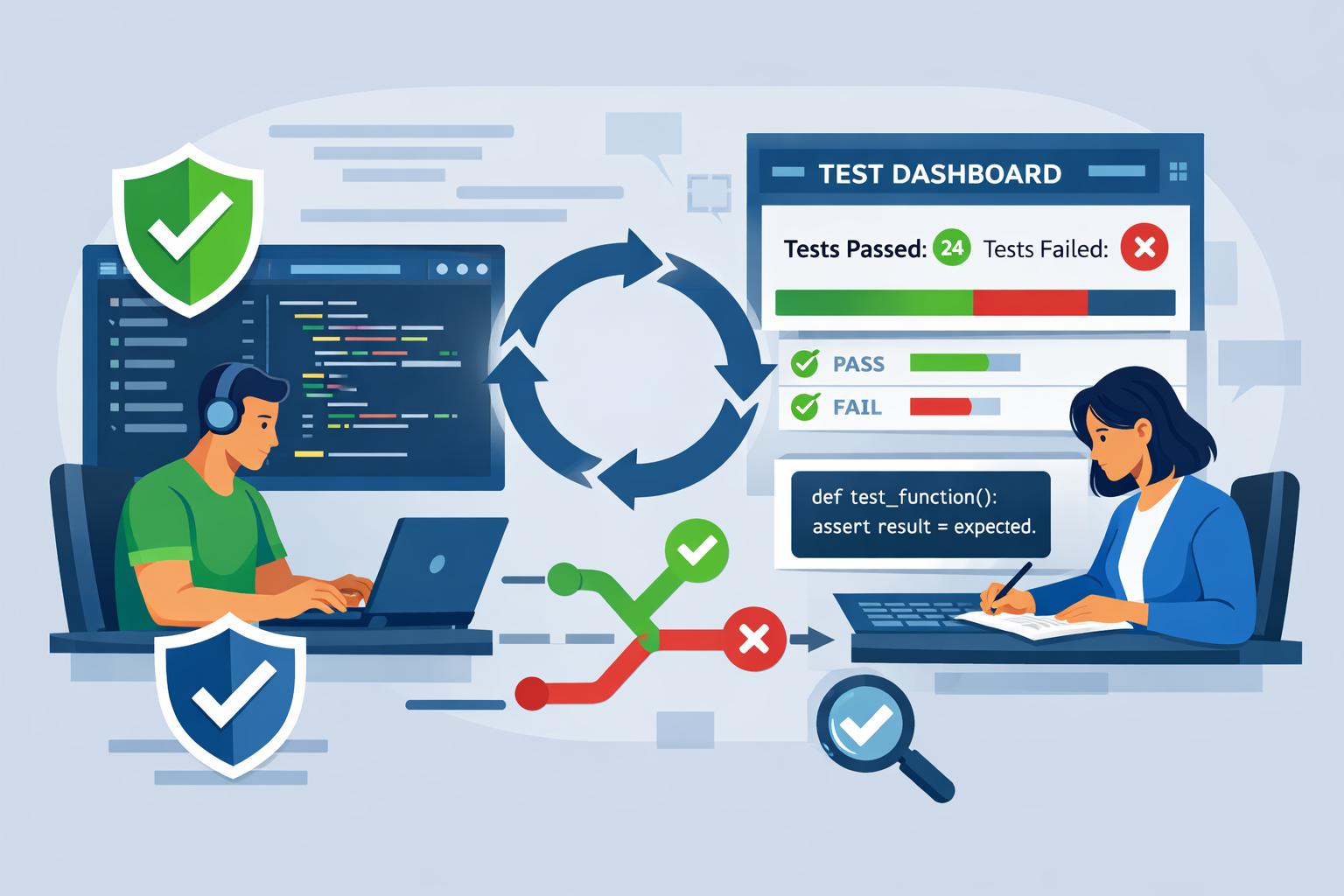
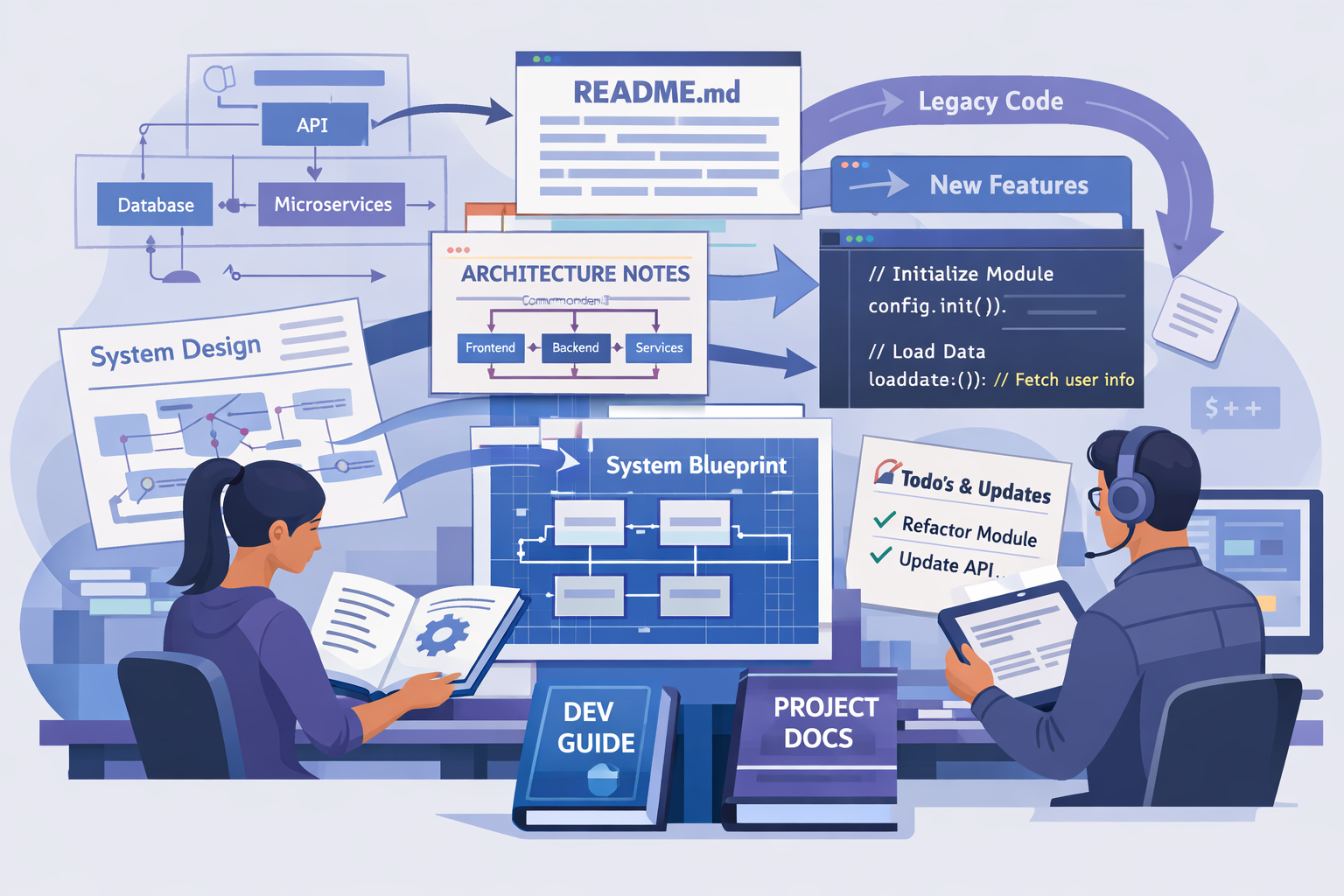
Equally important, process ensures code quality and maintainability. Systematic code reviews, testing pipelines, and documentation practices prevent bugs, security vulnerabilities, and technical debt from accumulating. Research by Martin Fowler emphasizes that disciplined workflows reduce long-term costs and improve software longevity. Developers who neglect process may produce working code initially, but the codebase becomes fragile and costly to maintain over time.
Furthermore, process fosters continuous improvement. Structured development cycles allow teams to reflect on performance, identify bottlenecks, and refine practices iteratively. Continuous Integration/Continuous Deployment (CI/CD) pipelines, automated testing, and retrospective meetings all contribute to learning and adaptation. For this reason, process transforms isolated coding into sustainable software engineering practices.
In conclusion, process is the backbone of professional web development. It provides clarity, enhances collaboration, ensures code quality, and enables continuous improvement. Creativity and technical skill thrive within a structured workflow, resulting in robust, maintainable, and user-focused products. In the next article, we will explore the distinction between working code and sustainable code, showing how disciplined practices make the difference between temporary fixes and long-lasting, efficient systems.