“Good code is its own best documentation.” – Steve McConnell
Web development is far more than just writing code—it is about creating structured, maintainable, and reliable systems that solve real problems for users. While learning to code teaches syntax, logic, and problem-solving, building for the web requires understanding architecture, performance, usability, and professional workflows. In this article, we examine why structure is critical in web development projects and how it separates coding exercises from real-world application.
Initially, coding teaches syntax and logic, not context. Learning programming languages like JavaScript, Python, or PHP develops the ability to write instructions that a computer can execute. However, without understanding how the code operates within larger systems—such as web servers, databases, or interactive user interfaces—the knowledge remains isolated. Research from the ACM Education Board highlights that students who focus solely on syntax often struggle to apply their skills to real-world problems because they lack a holistic perspective.
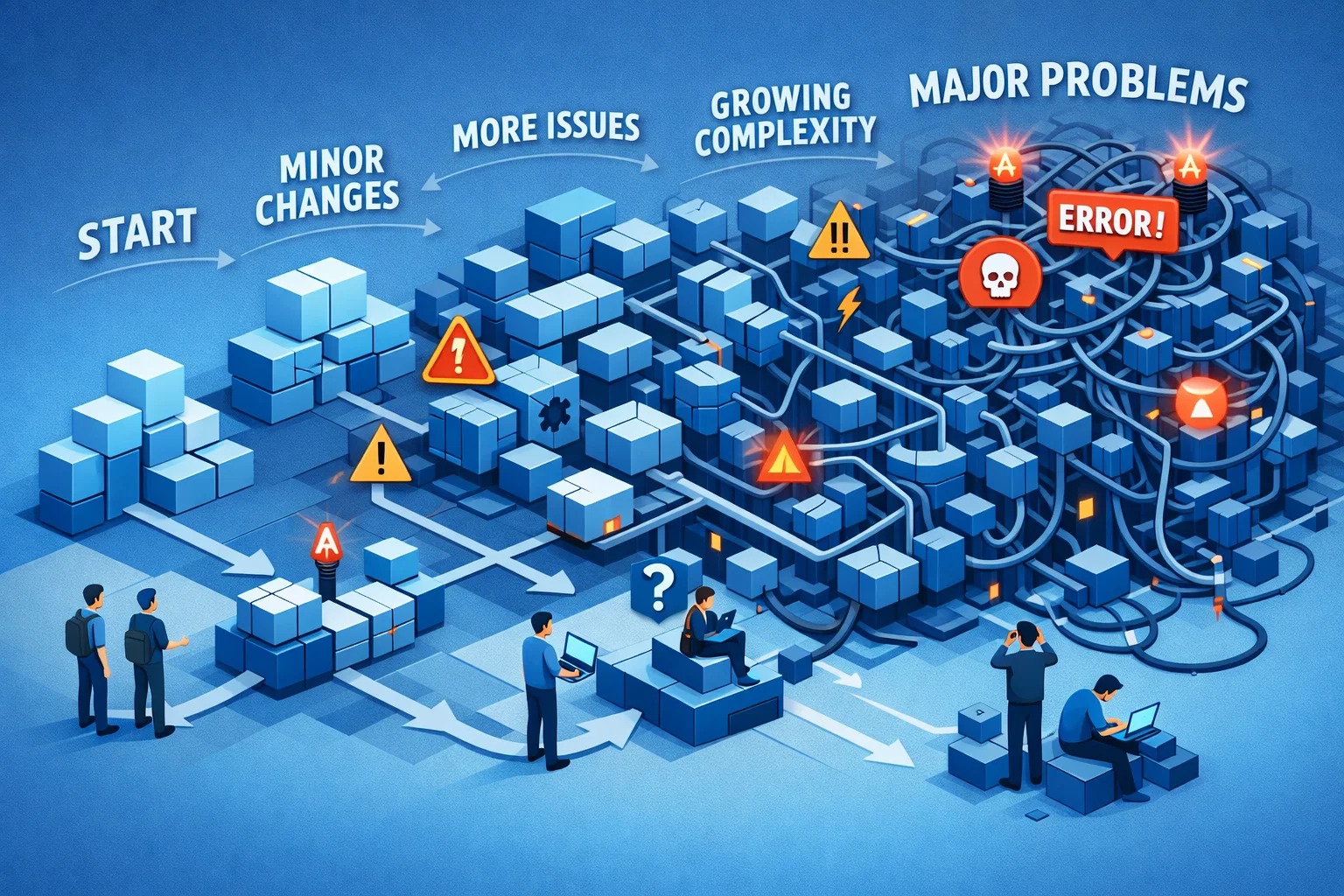
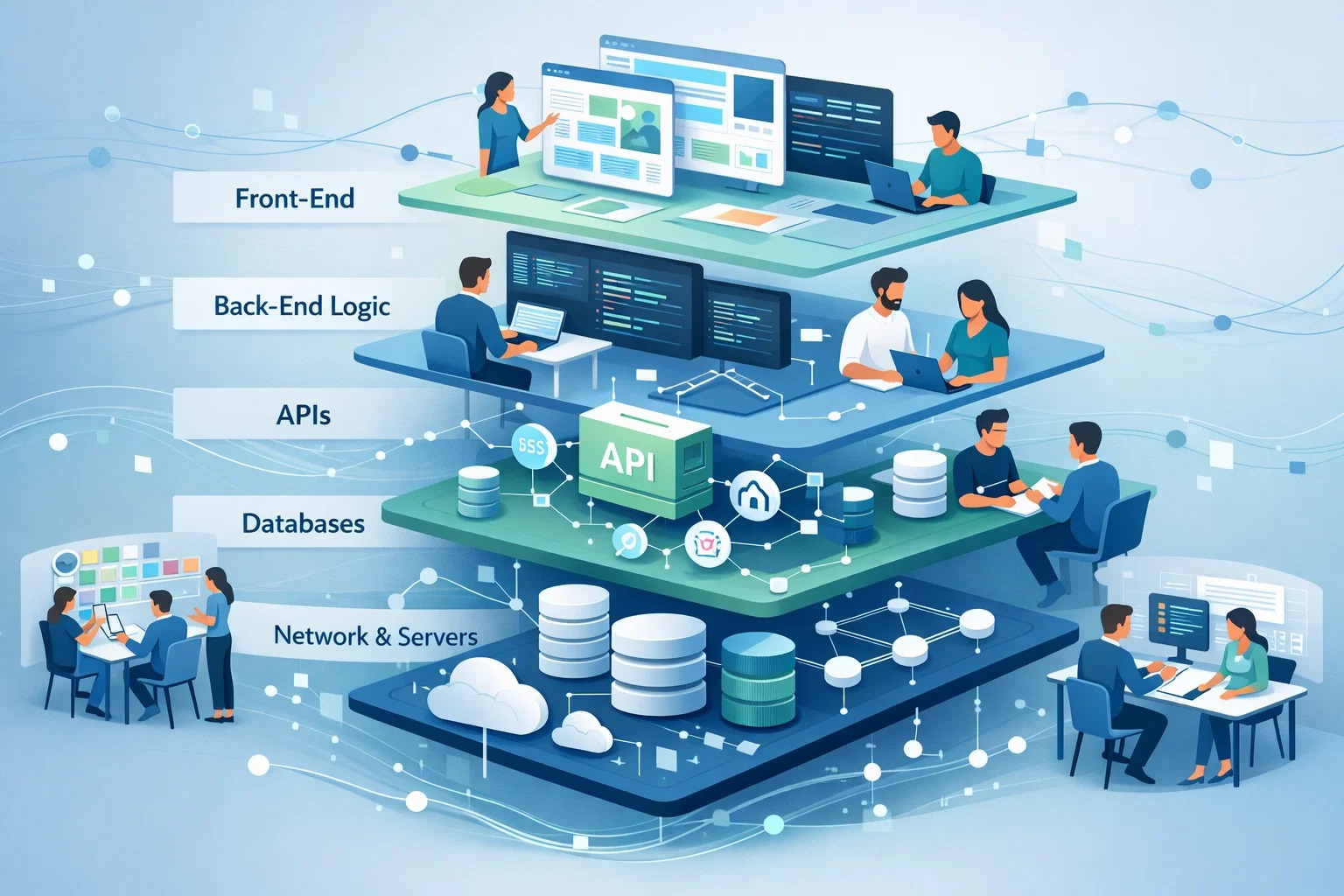
Additionally, systems thinking is essential for effective web development. Websites and applications are composed of multiple interconnected layers: front-end interfaces, back-end logic, databases, APIs, and network interactions. Developers must anticipate how changes in one component affect others. Ignoring this interdependence can lead to performance issues, technical debt, and security vulnerabilities. Structured planning and architecture help ensure that projects are scalable, maintainable, and resilient under real-world conditions.
Specifically, user-focused design drives meaningful outcomes. Programming exercises typically have clear, predefined goals, but real web projects must meet the needs of diverse users with varying abilities and expectations. Research from the Nielsen Norman Group shows that even flawless code fails if usability is neglected. Integrating accessibility, responsive design, and intuitive navigation alongside coding ensures that web applications are not only technically correct but genuinely useful and enjoyable for users.
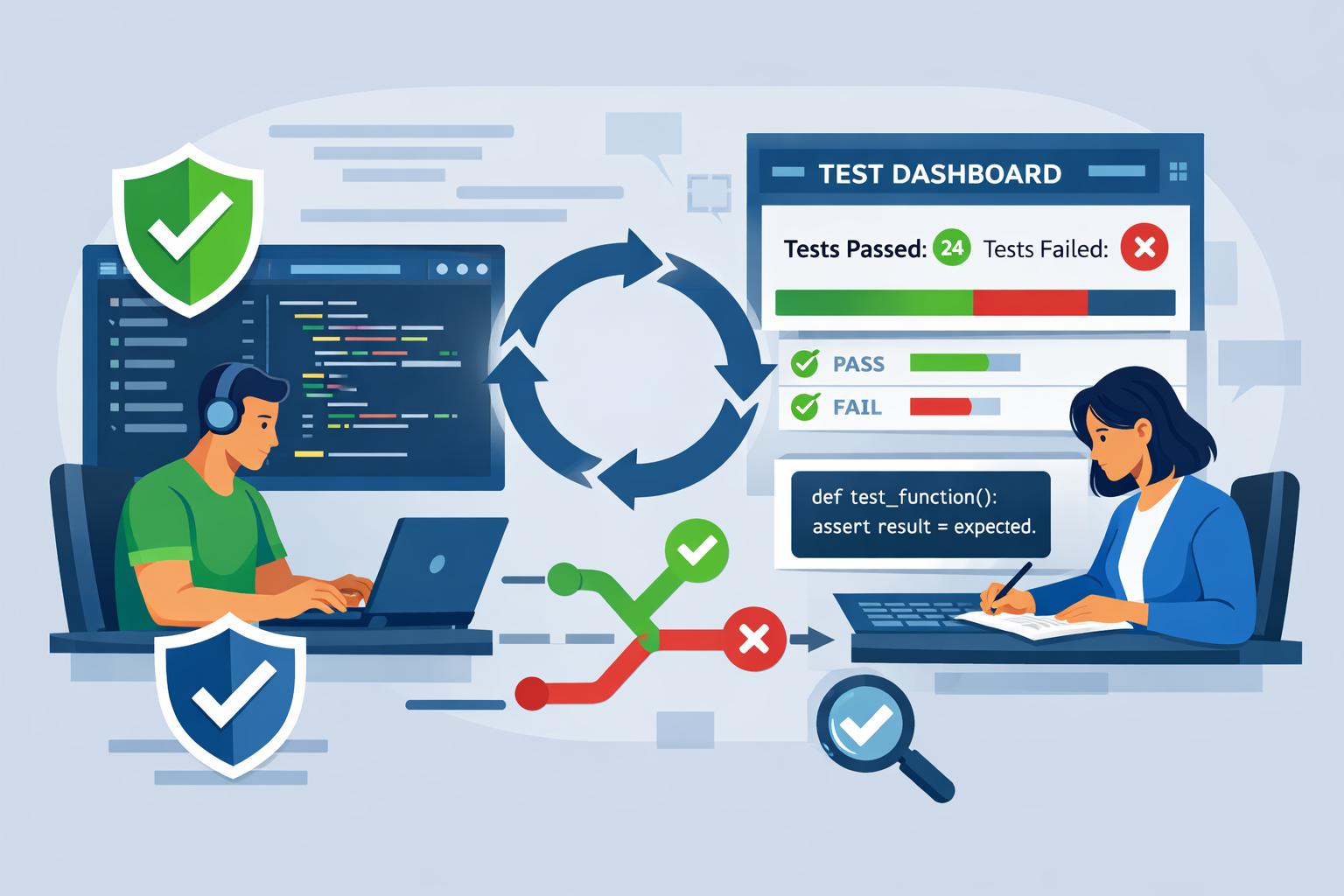
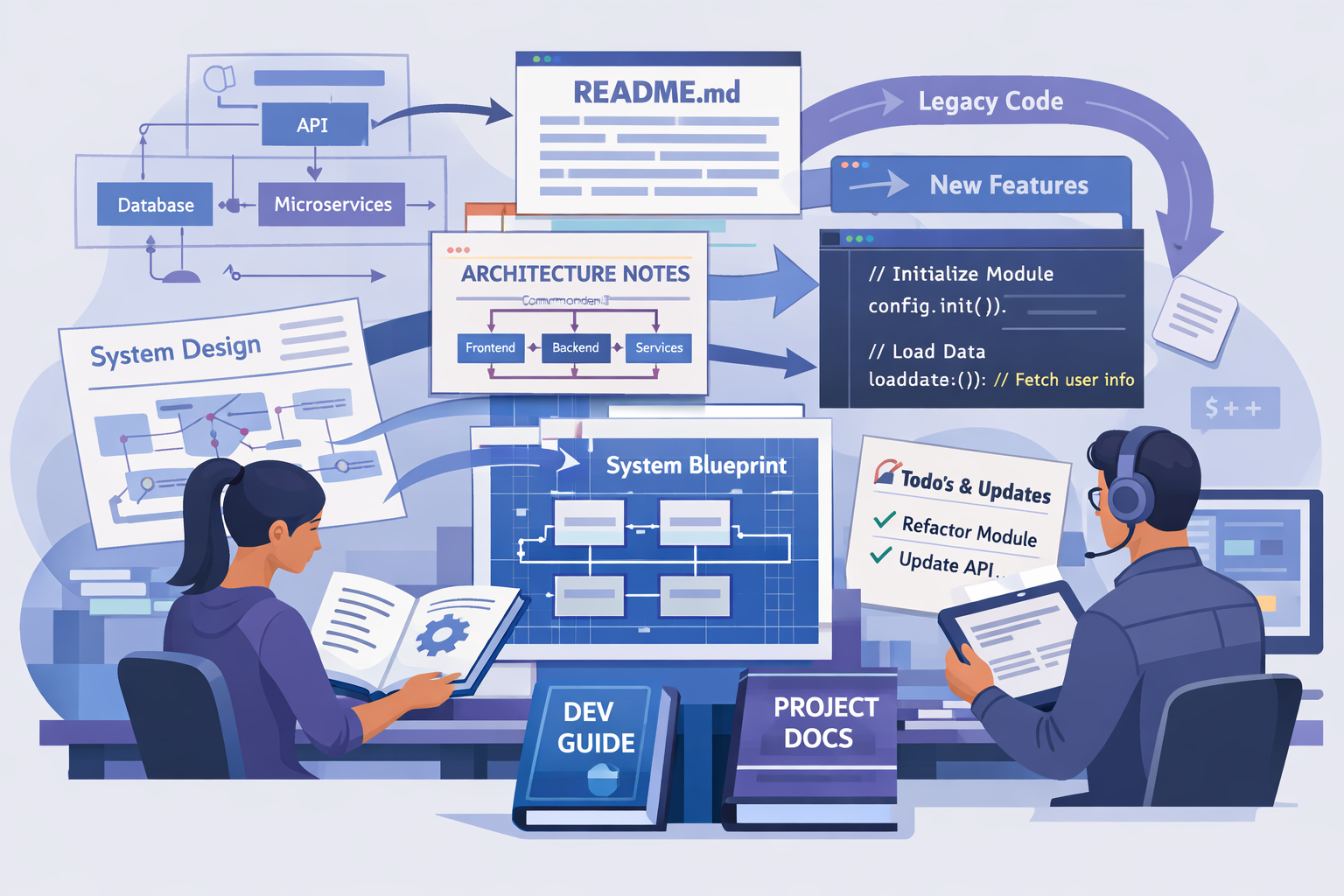
Consequently, collaboration and professional workflows elevate development. Learning to code in isolation teaches individual problem-solving, but professional web projects rely on team coordination, version control, code reviews, testing pipelines, and deployment strategies. Developers must communicate clearly and maintain shared systems to deliver reliable and scalable applications. Embracing these practices transforms a coder into a web developer capable of producing maintainable, high-quality software.
Ultimately, structure bridges the gap between coding and real-world impact. Learning to code builds foundational skills and mental agility, but building web applications requires combining coding with systems thinking, user experience, collaboration, and best practices. Developers who approach projects with structured planning, attention to users, and professional workflows create solutions that are functional, sustainable, and human-centered.