
“The only way to go fast is to go well.” – Robert C. Martin
Modern web development is rarely a straight line from writing code to completion; it is a living process shaped by revisions, experiments, collaboration, and continuous improvement. Many beginners assume version control is optional or only useful for large teams, yet in practice it is a foundational discipline that safeguards progress and supports confident innovation. Just as architects preserve blueprints and engineers track design revisions, developers rely on version control to maintain clarity and stability — and in this article we explore why it is essential to professional development workflows.
1. Protection of Work and Recovery from Errors
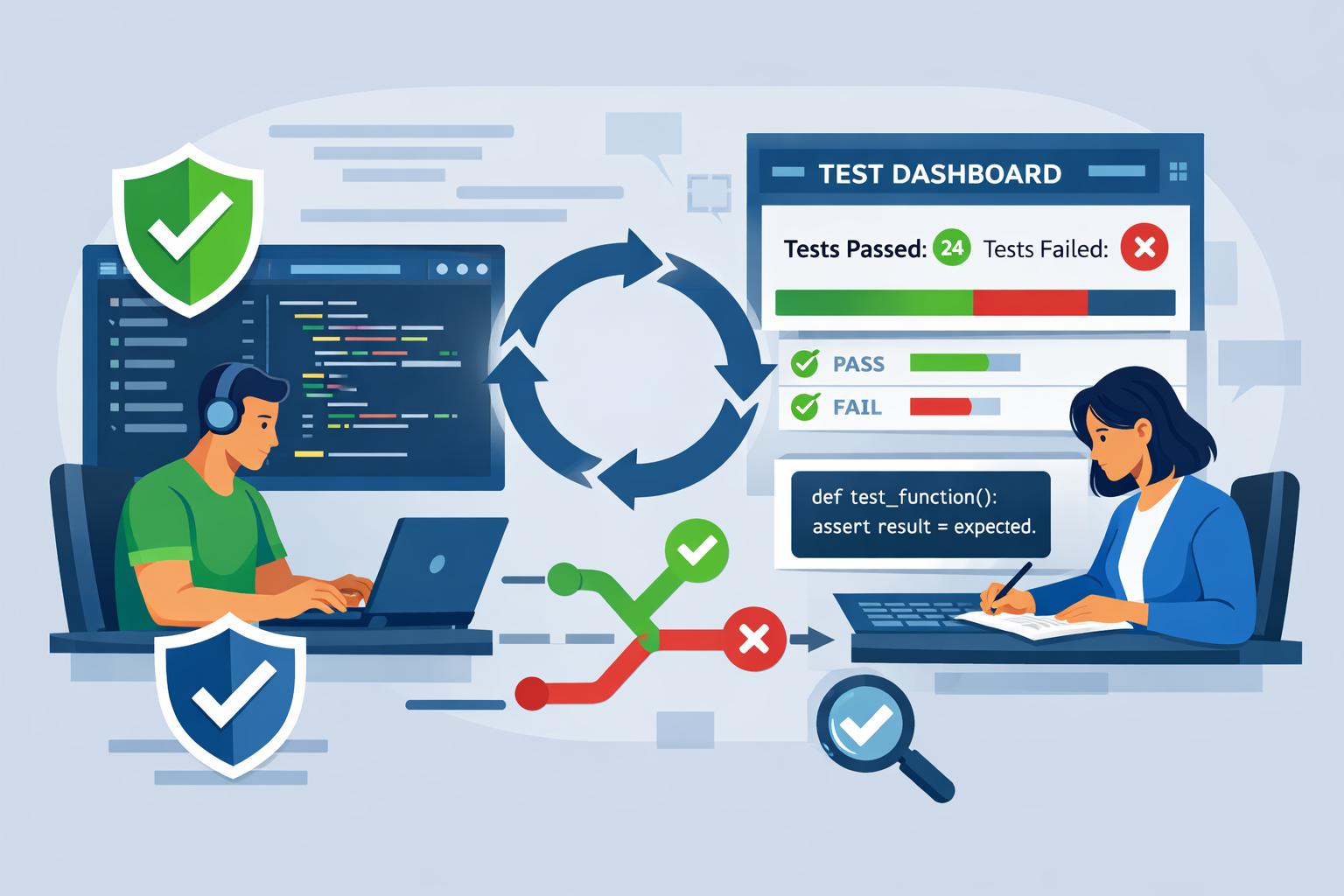
Every developer, regardless of experience, encounters mistakes—files get overwritten, features break, or entire modules require rethinking. Version control systems such as Git act as a safety net by recording every change and enabling instant restoration of earlier states. This transforms errors from catastrophic losses into manageable learning points. GitHub developer research consistently shows that teams using structured version tracking recover from faults significantly faster than those relying on manual backups, reinforcing that protection is not convenience but necessity.
2. Collaboration Without Conflict
As projects expand, so does the number of contributors shaping them. Designers refine layouts while backend engineers adjust logic and content teams update information simultaneously. Version control provides a structured environment where multiple people can work in parallel without overwriting each other’s progress. Branching and merging workflows—core principles documented in the official Git project guidelines—allow experimentation and feature development to occur independently before safe integration, preserving both order and efficiency.
3. Transparency and Accountability
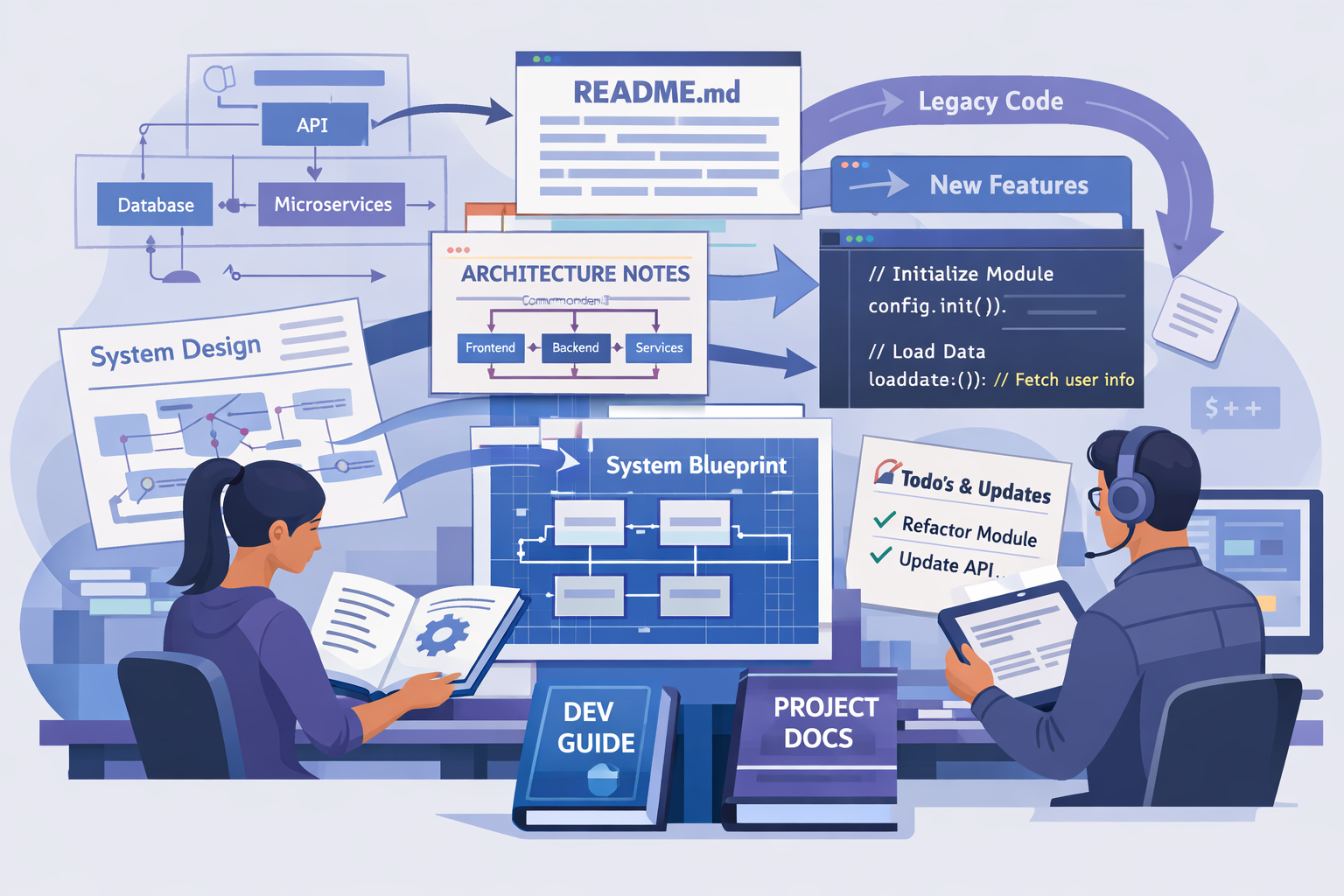
Beyond safeguarding files, version control creates a chronological narrative of a project’s evolution. Each commit message documents intent and reasoning, forming a transparent history that assists debugging, onboarding, and architectural decision-making. Software engineering expert Martin Fowler emphasizes that traceable change histories significantly reduce long-term maintenance costs and improve system reliability, demonstrating that accountability is as valuable as functionality.
4. Encouraging Experimentation and Innovation
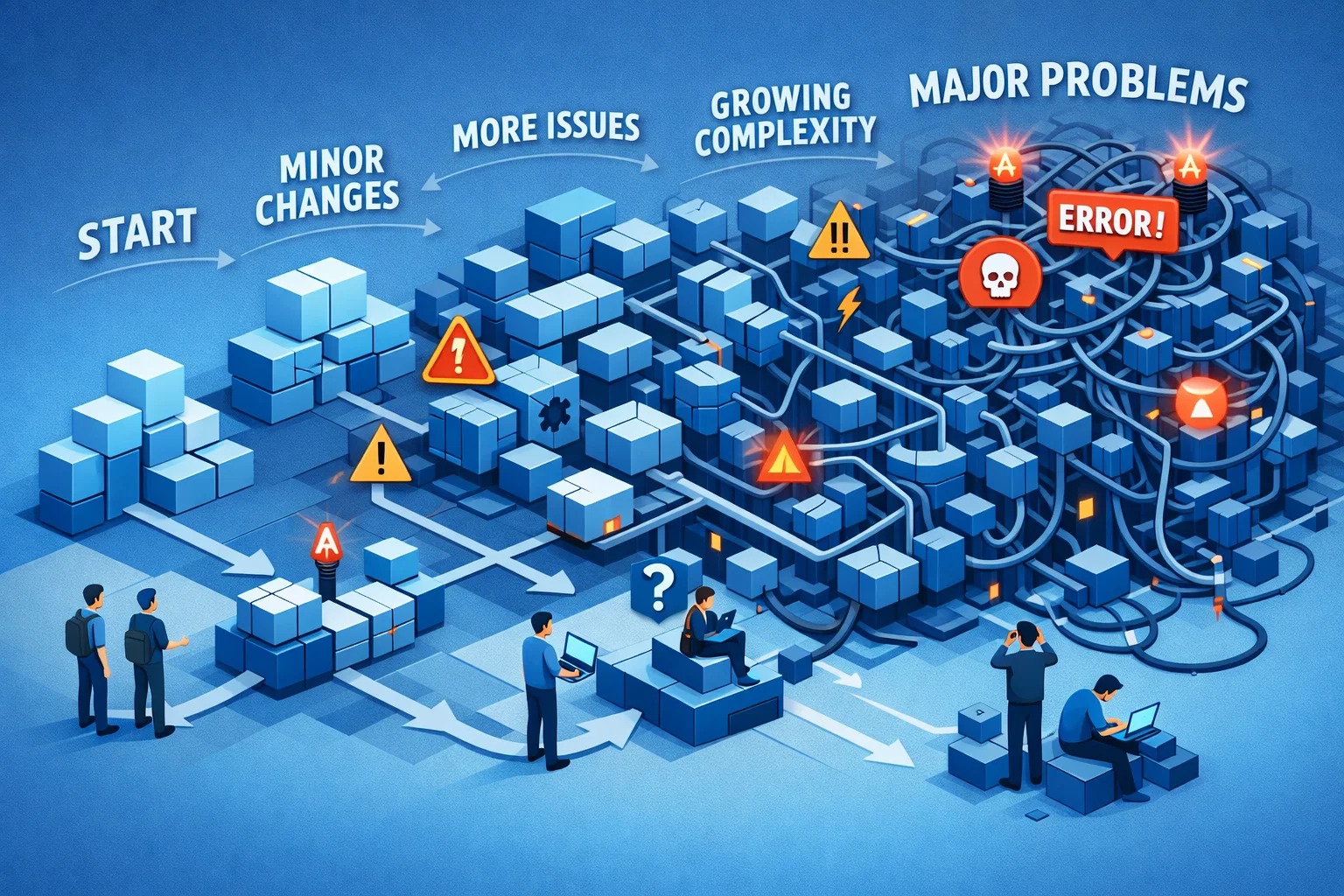
Creativity flourishes where risk is controlled rather than eliminated. Version control empowers developers to test bold ideas, redesign components, or explore alternative solutions without jeopardizing system stability. If an experiment fails, reverting becomes effortless rather than stressful. In this sense, version control does not restrain creativity; it enables it by removing the fear of irreversible consequences and turning innovation into a safe, repeatable practice.
Conclusion
Version control is not merely a technical utility but a professional habit that protects progress, strengthens collaboration, and encourages safe innovation. Mastering it transforms coding from fragile trial-and-error into disciplined, reliable engineering.
Next Article (14): The Importance of Planning Before Writing Code.
Because writing code without a plan is like building a house and then realizing you forgot the door… you’ll still live in it, but it will be very awkward. See you in the next article 😉