“The best way to predict the future is to invent it.” – Alan Kay
Web development is often seen as just learning HTML, CSS, and JavaScript to make a page work. However, modern web development requires far more than front-end code. Today’s websites and applications demand logic, structure, performance, and usability that extend beyond markup and styling. From secure user authentication to seamless database interactions and scalable architectures, building for the web involves understanding systems, tools, and human needs. In this article, we explore why front-end skills are only the beginning and why mastering the broader ecosystem is key to creating meaningful, real-world digital experiences.
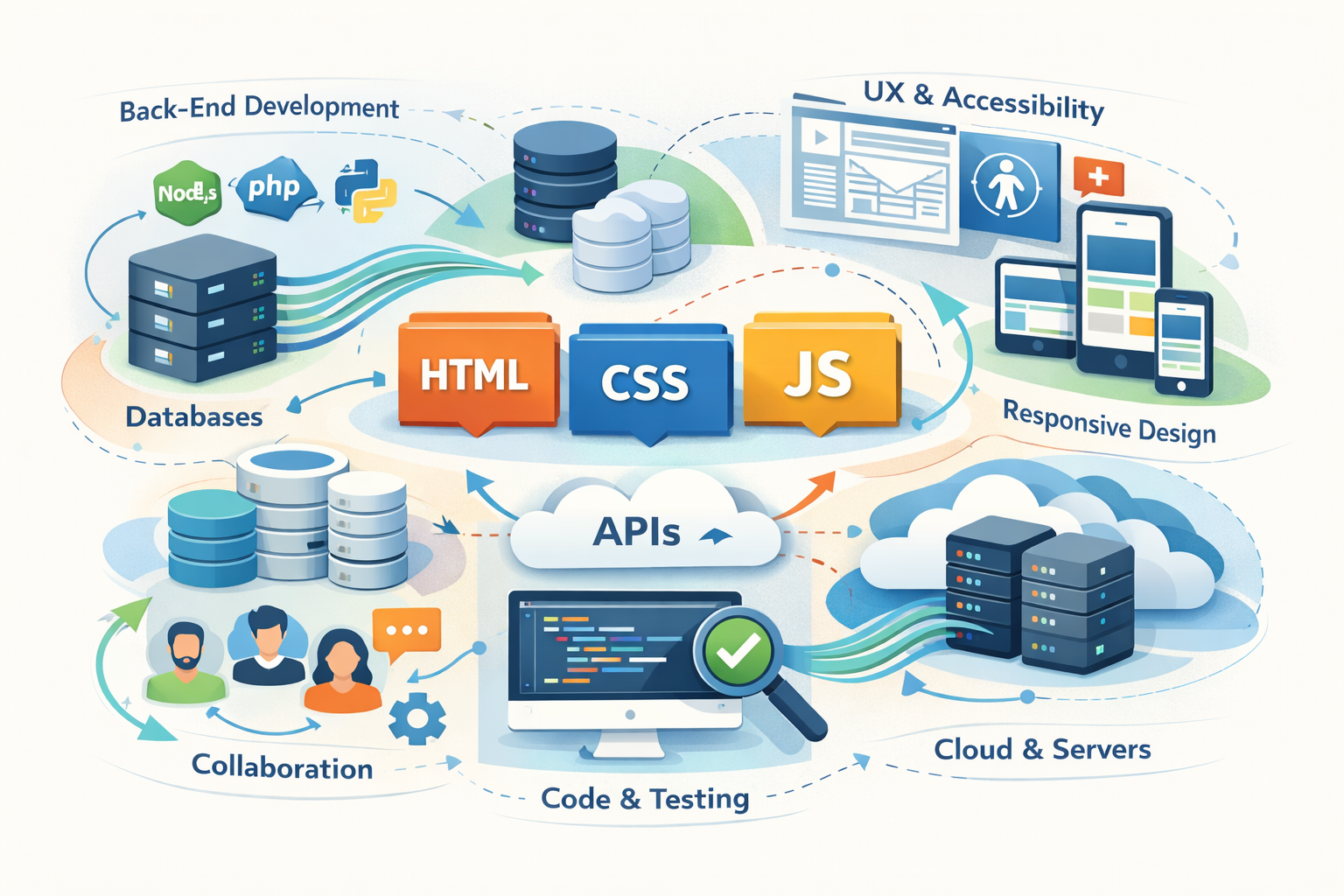
To begin with, front-end languages form the foundation, not the full structure. HTML, CSS, and JavaScript are essential building blocks, but alone they cannot handle dynamic data, server communication, or user management. According to the 2025 Stack Overflow Developer Survey, over 70% of professional developers rely on additional frameworks and tools beyond core web languages. Developers who stop at front-end basics risk building products that appear functional but fail under real-world conditions, such as handling thousands of users or integrating third-party services.
Moreover, back-end logic and data management are essential. Languages like Node.js, PHP, or Python handle authentication, database queries, and secure data storage—tasks that HTML and CSS cannot perform. For instance, an e-commerce site requires a system to process orders, track inventory, and validate payments securely. While front-end code may display the checkout page, without back-end logic the site cannot operate reliably. Understanding this separation ensures developers create applications that are not only visually appealing but also fully functional and robust.
Equally important, usability and user experience matter as much as code. JavaScript can make interfaces interactive, but accessibility, responsive design, and intuitive navigation ensure users can actually use the product. Research from the Nielsen Norman Group shows that poor usability costs companies billions annually due to lost revenue and productivity. Steve Krug emphasizes, “Don’t make me think”—reminding developers that code serves people first, not just computers. Integrating UX principles alongside coding ensures websites are usable, accessible, and engaging.
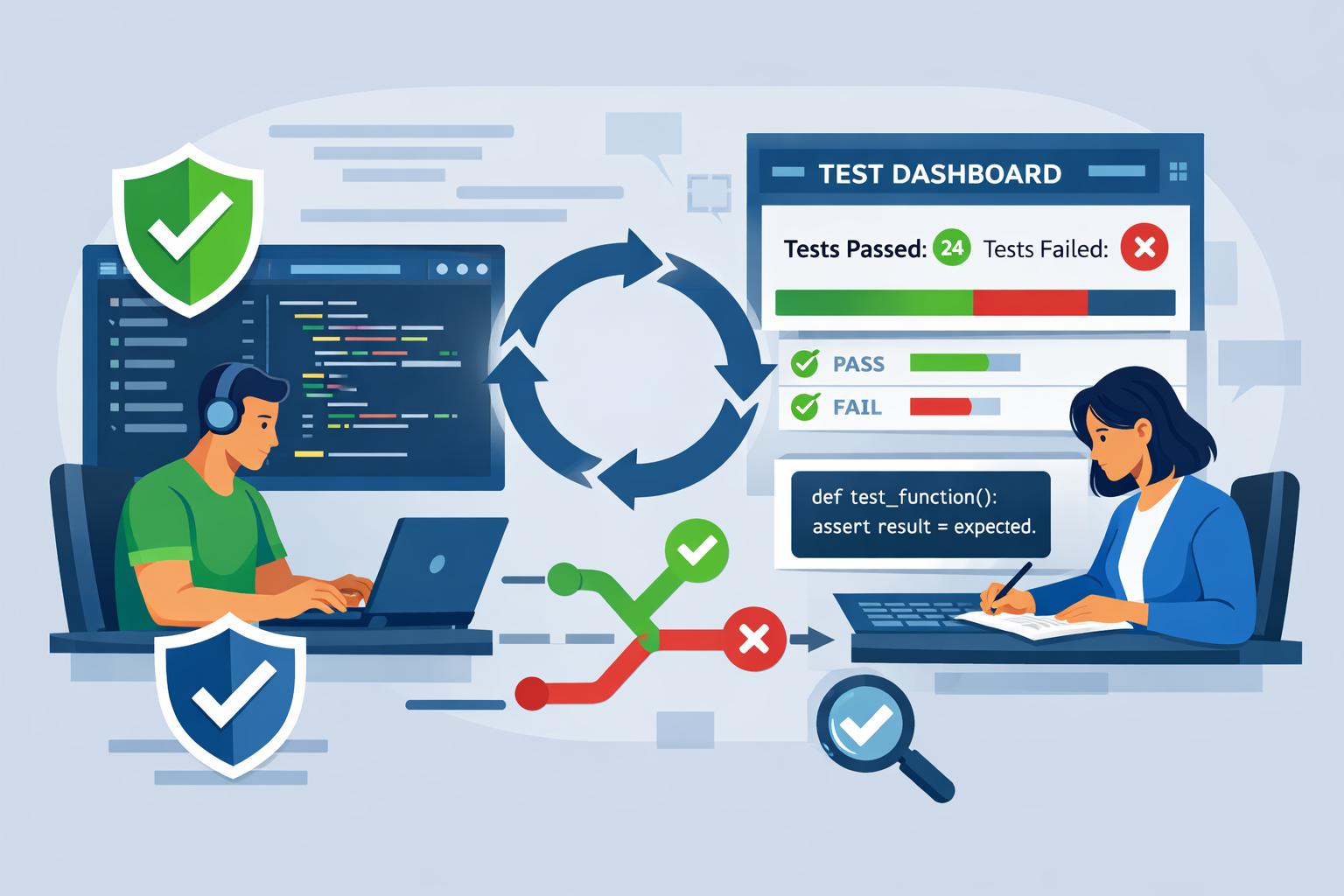
Furthermore, collaboration and professional tools shape quality projects. Version control with Git, frameworks like React or Laravel, automated testing, and deployment pipelines are essential for building maintainable applications. These are not taught in a basic HTML/CSS/JS curriculum, yet they form the backbone of professional development. Developers who embrace these tools can work in teams, manage complex projects, and deliver products that scale and remain reliable over time.
Ultimately, true web development integrates multiple disciplines. Beginners should start with HTML, CSS, and JavaScript, but real proficiency comes from understanding the ecosystem as a whole—combining front-end skills with back-end logic, usability, systems thinking, and collaborative workflows. As you continue learning, reflect on how each line of code fits into the bigger system and strive to create solutions that work for both users and developers alike.