“Simplicity is the soul of efficiency.” – Austin Freeman
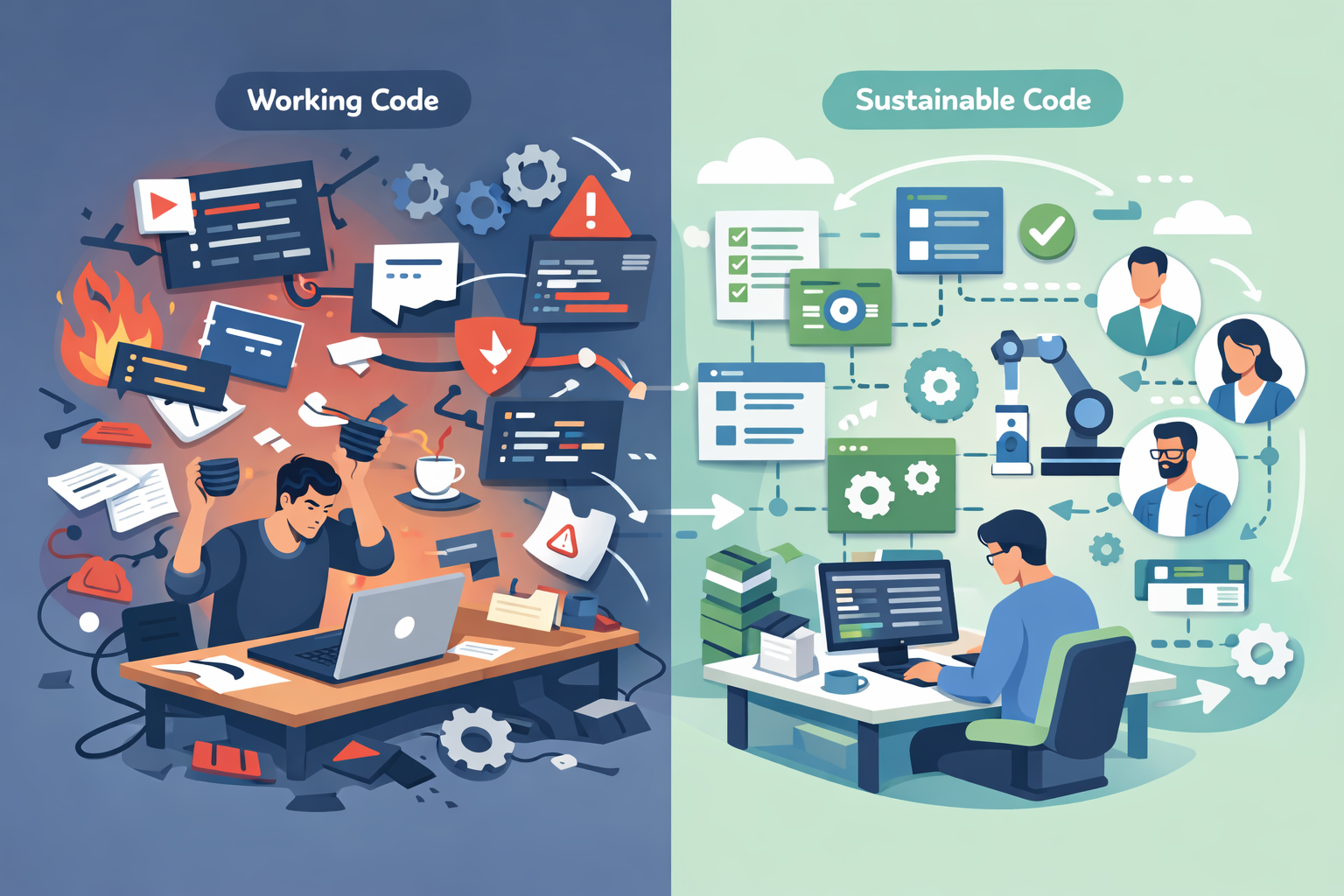
Web development often emphasizes “working code” — code that fulfills immediate requirements and functions correctly. However, producing code that merely works is only the first step. Sustainable code, on the other hand, is maintainable, scalable, and reliable over time. It minimizes technical debt, reduces future costs, and ensures that systems remain robust as they evolve. In this article, we explore the difference between working and sustainable code, why sustainability matters, and how disciplined practices lead to long-term success in web development.
To begin with, working code solves immediate problems but may not anticipate future changes. Many developers deliver solutions that meet deadlines or MVP requirements, but the code often lacks flexibility or clarity. Research by McConnell (2004) shows that code without foresight leads to increased maintenance costs and frequent bug fixes. Developers who plan for long-term usage structure their code to accommodate future updates, reducing rewrites and rework.
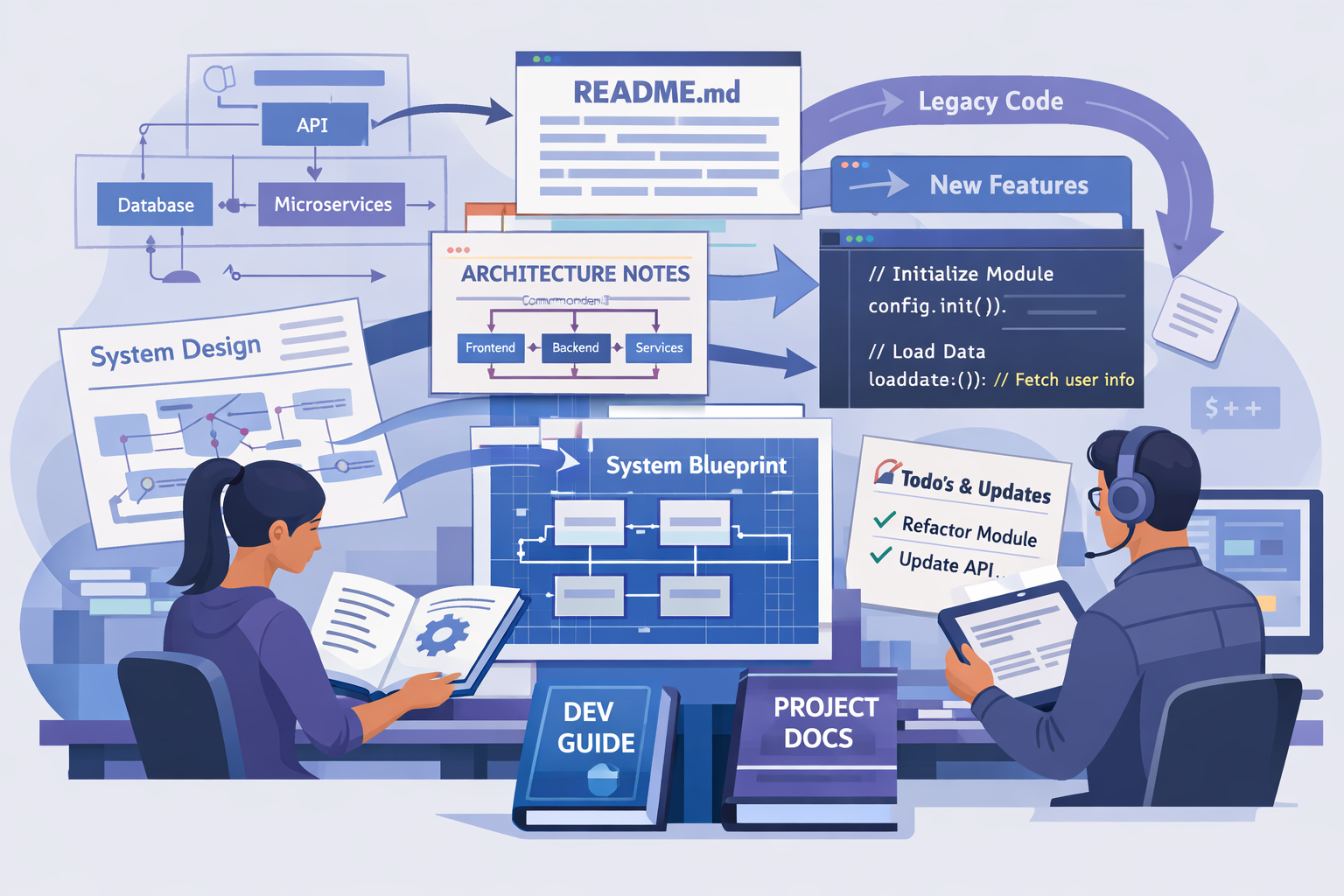
Moreover, sustainable code emphasizes readability and maintainability. Clear naming conventions, modular structures, and proper documentation make it easier for teams to understand and modify the code later. As Martin Fowler notes, “Any fool can write code that a computer can understand. Good programmers write code that humans can understand.” Code that is maintainable ensures continuity even when team members change or projects scale.
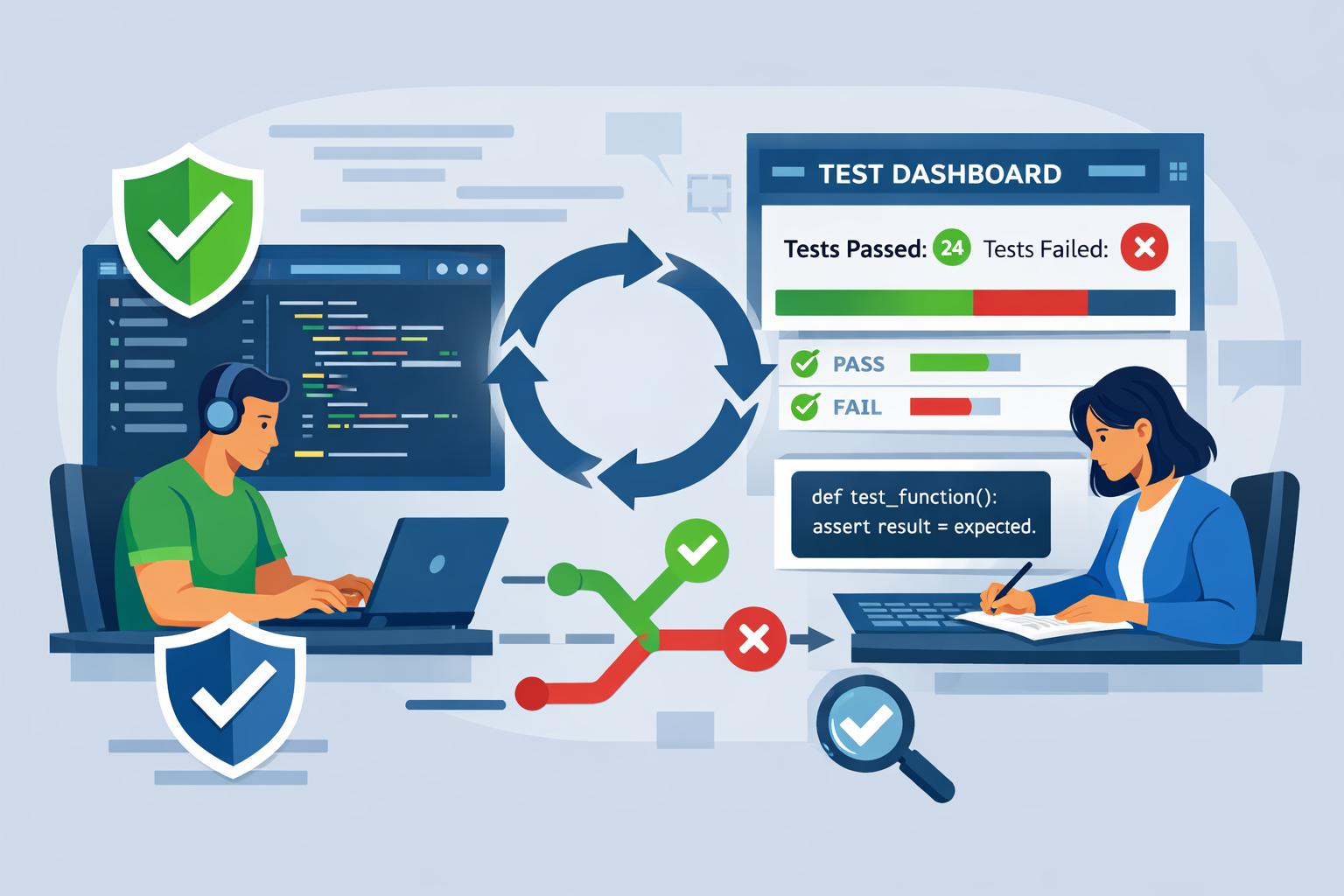
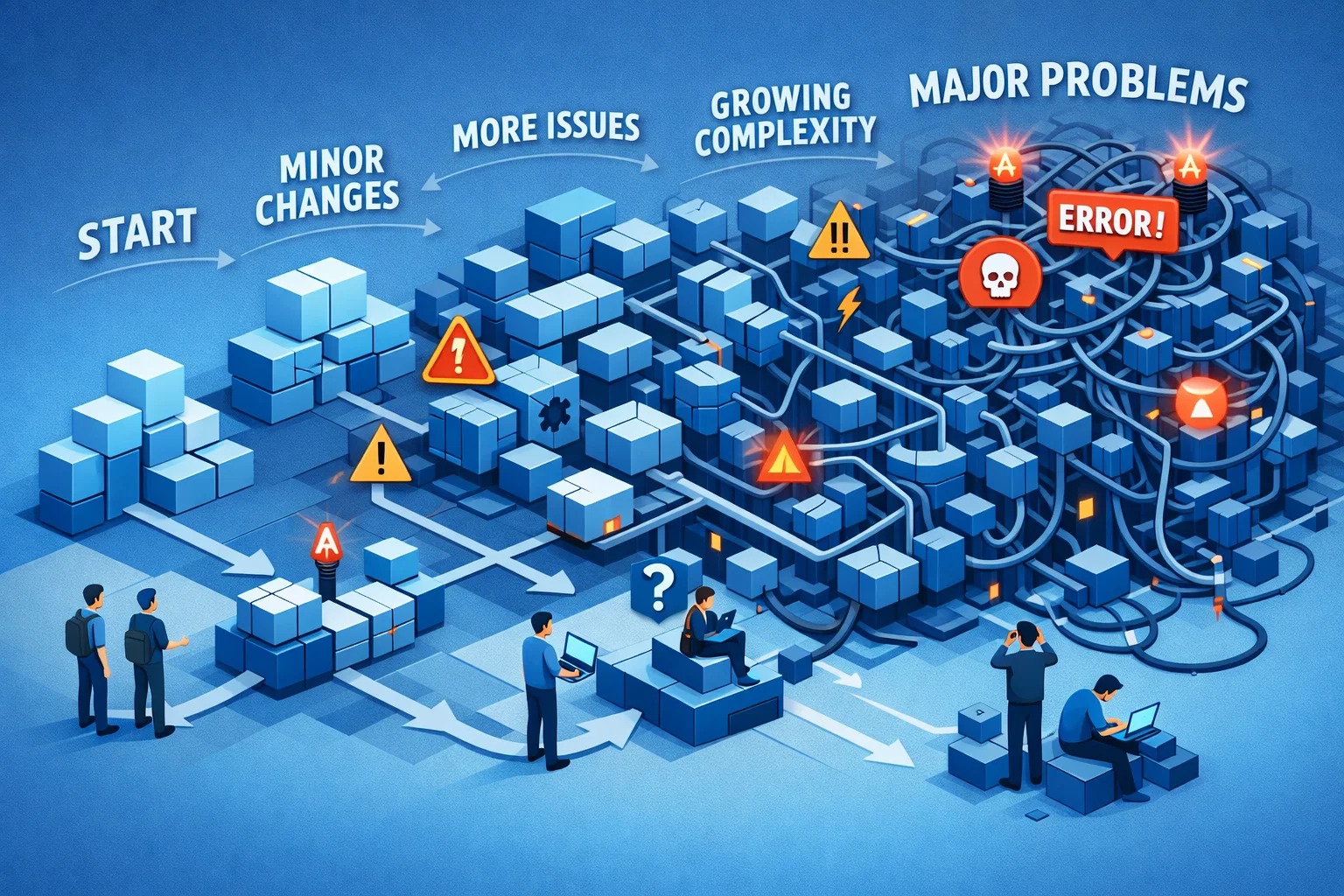
Equally important, sustainable code reduces technical debt. Quick fixes, shortcuts, or hard-coded solutions may make software work temporarily, but they accumulate hidden costs over time. Studies from IEEE Software highlight that teams spending more time on refactoring and preventive maintenance deliver higher quality software in the long run. Sustainable practices such as code reviews, automated testing, and adherence to coding standards prevent the accumulation of debt.
Furthermore, sustainable code supports collaboration and scalability. Modern web applications are rarely single-developer projects. Teams rely on consistent patterns, modular designs, and reusable components. Sustainable code ensures that collaboration is smooth, new features integrate seamlessly, and scaling up does not introduce instability. Developers who prioritize sustainability create systems that grow with user needs and business demands.
In conclusion, while working code addresses immediate functionality, sustainable code ensures longevity, maintainability, and quality. Developers should view coding not just as problem-solving for today, but as building systems for tomorrow.
In the next article, we will discuss why version control is a non-negotiable in modern development, showing how it supports sustainable workflows and team collaboration.